Walk down a quiet Tarrytown street and you can read Austin’s design history in a single block. You might spot a 1930s cottage with a broad porch next to a low, glassy ranch and, just beyond, a sleek new custom build. If you are weighing a purchase or planning a remodel, the style you choose will shape permits, timelines, upkeep, and resale. This guide shows you how to recognize the defining Tarrytown styles and what each one means for your investment. Let’s dive in.
Tarrytown at a glance
Tarrytown sits just west of downtown Austin, roughly between Enfield Road to the south, 35th Street to the north, Loop 1/MoPac to the east, and Lake Austin to the west. The area began taking shape in the early 20th century and expanded through the 1930s as a desirable west‑Austin enclave. Over time, original cottages and post‑war houses mixed with renovated homes and modern infill, creating a rich architectural timeline. Today, buyers value the central location, mature trees, and proximity to the lake and downtown, which amplifies the importance of design and build quality. You can read more about the neighborhood’s origins in the Tarrytown overview.
Four styles you’ll see
Classic cottages and bungalows
- What to look for: low to 1½‑story massing, broad front porches, exposed rafter tails or tapered columns, and wood siding. These Craftsman and period‑cottage cues are classic 1920s–1930s features described by the National Park Service.
- How they age: older wood details can show rot, and many still have single‑pane windows and legacy electrical or plumbing. Because most predate 1978, any renovation that disturbs paint triggers the EPA’s lead‑safe rules. Review the EPA Renovation, Repair and Painting program before you plan work.
- Renovation approach: you often see sensitive expansions that keep the façade’s charm while updating systems, kitchens, and baths. When done well, preserving character can pay off in central Austin.
Mid‑century and postwar ranches
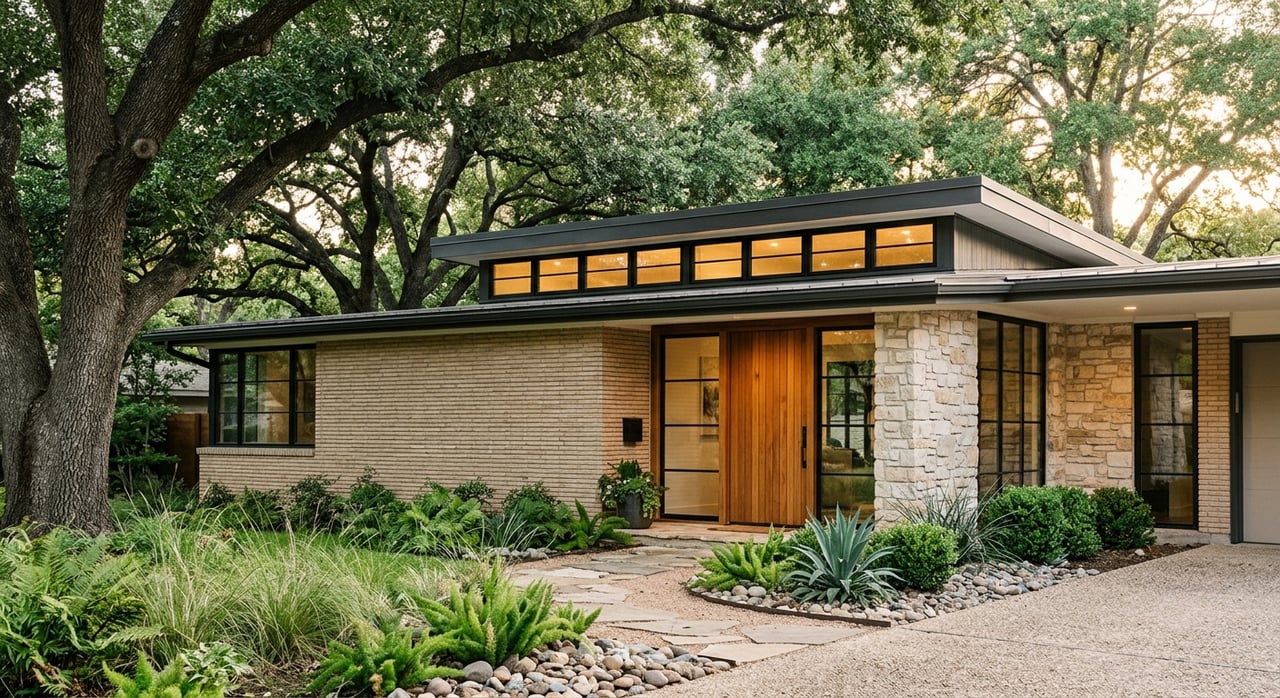
- What to look for: long, horizontal forms, low‑sloped or hipped roofs, brick or wood veneer, picture windows, and indoor‑outdoor flow. National guidance identifies Ranch and Minimal Traditional as dominant post‑WWII home types; see this overview of post‑war domestic forms in the national preservation literature.
- How they age: slab foundations on Central Texas clay can show cracking or settlement over decades, so foundation and drainage deserve early attention. A concise research review on shrink‑swell soils and building health is available via the National Institutes of Health repository. Homes built before about 1980 may also include asbestos‑containing materials; consult the CPSC’s asbestos guidance for homeowners.
- Renovation approach: many owners keep the clean lines and open layouts while upgrading windows, insulation, roofs, HVAC, and kitchens. Respecting the original proportions often resonates with design‑minded buyers.
Updated traditional and expanded homes
- What it is: older homes that were significantly remodeled, sometimes with added square footage and modern interiors. You’ll see preserved exterior details paired with new floor plans and systems.
- What to verify: check permit history and whether structural changes were properly reviewed and inspected. Start with the City’s Residential Plan Review process to understand how Austin handles additions and remodels. Look closely at transitions between old and new sections for movement or water entry.
- Renovation approach: if you plan further work, confirm load paths, roof junctions, and drainage are sound. A clear paper trail protects value at resale.
Contemporary custom builds
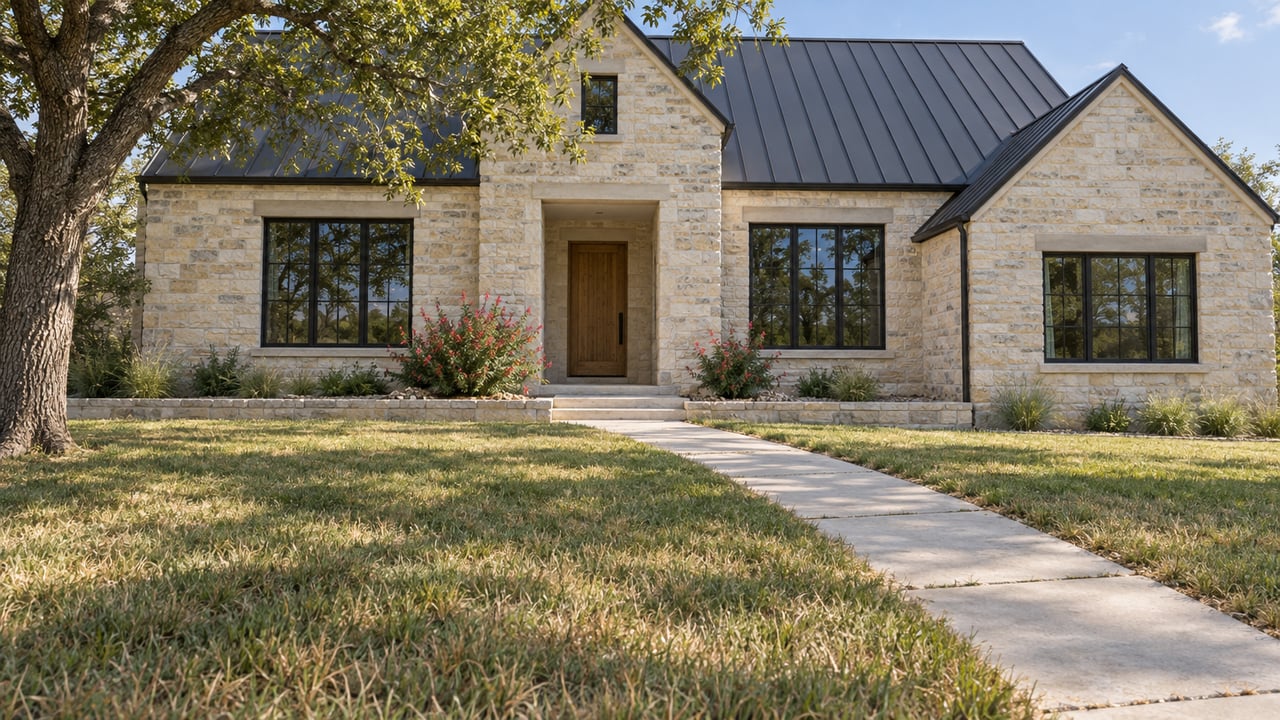
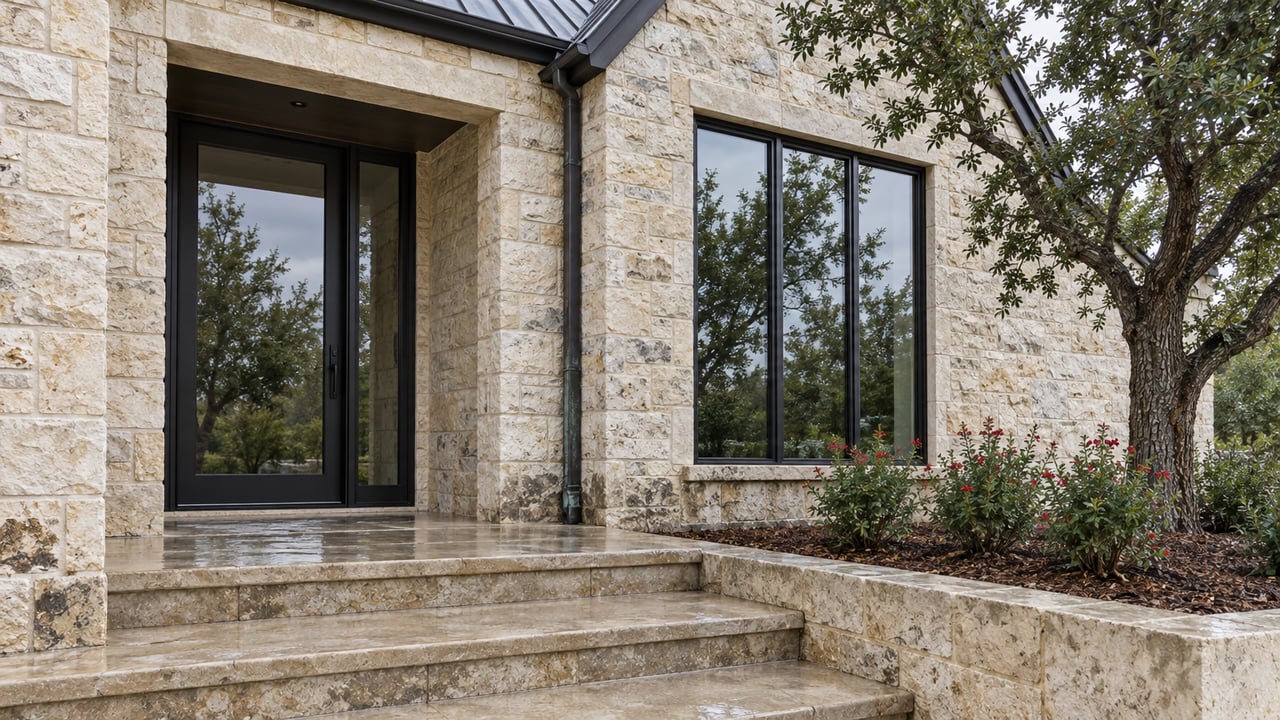
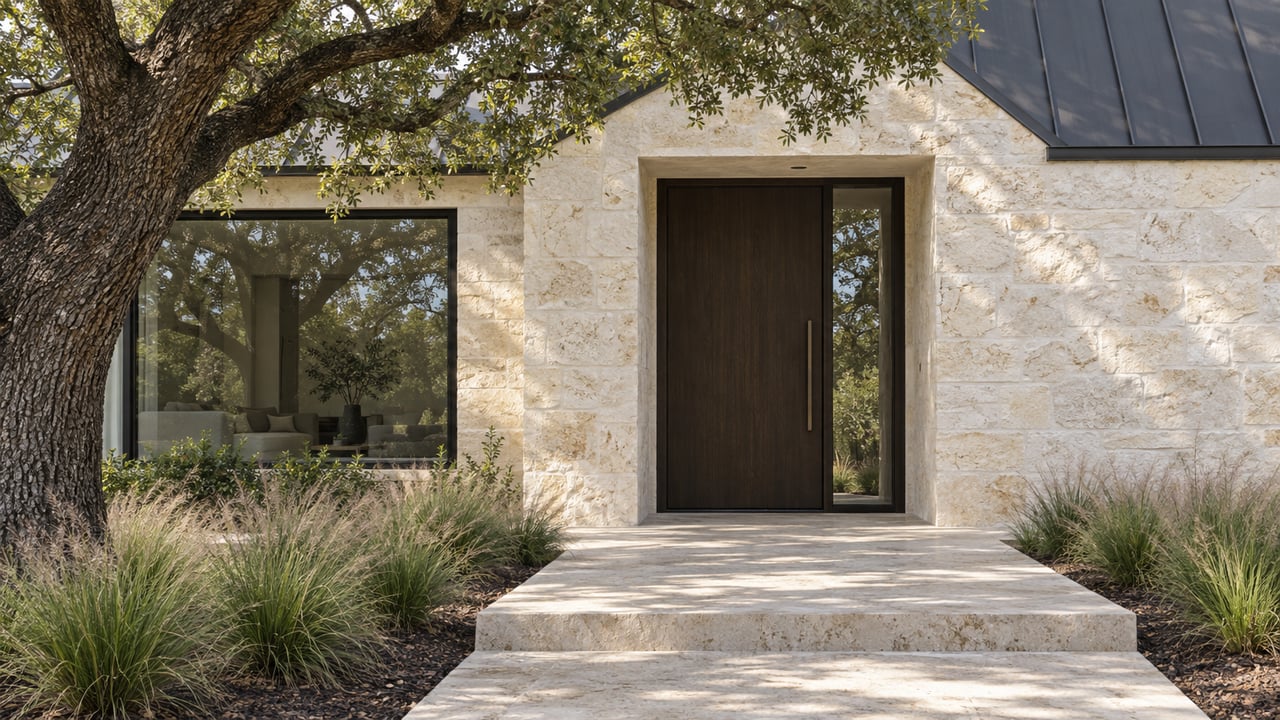
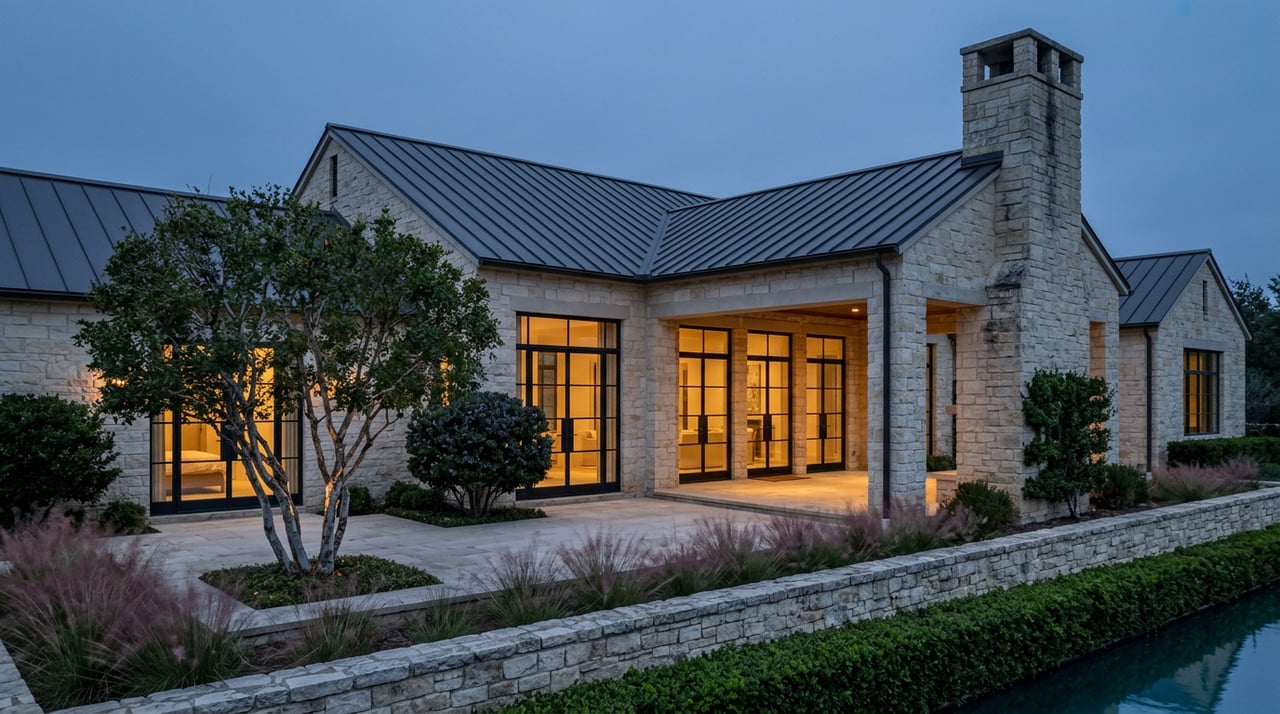
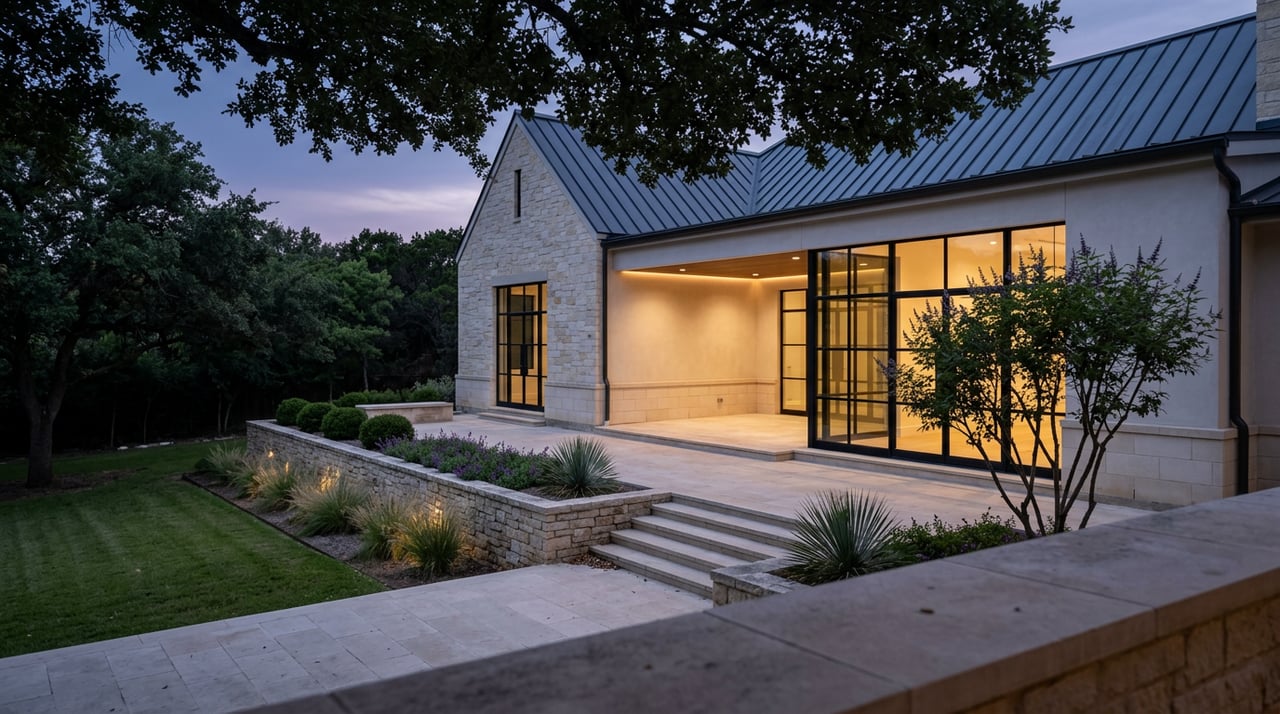
- What to look for: engineered foundations, high‑performance windows, fiber‑cement or masonry cladding, and modern mechanicals. These homes often maximize indoor‑outdoor living and showcase custom millwork and stone.
- How they age: new systems reduce near‑term maintenance, though premium HVAC, roofing, and finishes still follow standard replacement cycles. Because materials are custom, matching details during future updates can be costly.
- Renovation approach: most buyers choose turnkey enjoyment, then layer in landscape, pool, or technology upgrades over time.
Permits and design rules in Austin
Style is not the only factor. In central neighborhoods, size, massing, and site constraints shape what you can build or add. Here is what to know:
- Permits and plan review: Most additions, demolitions, and new single‑family projects require building permits and a technical review of zoning, drainage, trees, and codes. Begin with the City’s Residential Plan Review page for steps and submittal checklists.
- Compatibility standards: Central Austin has long applied residential design and compatibility standards that limit out‑of‑scale development. These rules influence the size and placement of additions and replacements, especially on established streets.
- ADUs and HOME code changes: Accessory dwelling units remain popular for guest space or income. Recent HOME amendments affect how small‑lot housing, duplexes, and ADUs are regulated. Review the City’s HOME amendments overview before you plan a second unit.
Buyer checklists by style
Use these quick checks as conversation starters with your inspector and engineer.
Classic cottages and bungalows
- Scan porches, beams, and siding for wood rot; evaluate roof age and ventilation.
- Ask about electrical panel capacity, ungrounded outlets, and any galvanized plumbing.
- If pre‑1978, plan for lead‑safe work practices; see the EPA RRP rule.
Mid‑century and postwar ranches
- Look for slab or garage floor cracks and sticking doors that suggest movement; check grading and gutters.
- Assess window condition; large panes and seals can be costly to replace.
- For homes built before about 1980, consider a materials survey; review CPSC’s asbestos guidance.
Updated traditional and expanded homes
- Pull permit records through the City’s Residential Plan Review resources to confirm what was approved and inspected.
- Closely inspect where old meets new for differential settlement, roof junctions, and flashing details.
Contemporary custom builds
- Confirm final inspections and certificate of occupancy; review builder warranties.
- Walk the site after rain to observe drainage; check tree protection and irrigation.
- Verify HVAC tonnage, window specs, and roofing materials to understand long‑term upkeep.
Across all styles in Tarrytown, Central Texas clays can impact foundations over time. If you see uneven floors or significant cracks, schedule an engineer’s opinion and plan for moisture management. For older homes, add a termite report and targeted testing for lead paint or asbestos before you open any walls. A thoughtful due‑diligence path helps you budget with confidence and protect resale.
Style and resale in Tarrytown
In this neighborhood, the lot and location often drive value, with style enhancing how buyers experience the property. Well‑kept bungalows and authentic mid‑century homes appeal to design‑focused buyers when updates respect original proportions and materials. New, architect‑designed homes on central lots commonly achieve premium pricing because buyers value modern layouts, efficient systems, and low‑maintenance finishes. If the existing home has strong character and permitted additions are feasible, a sensitive renovation can unlock value while minimizing entitlement risk. If the lot far outpaces the home’s size or condition, a teardown and custom build may pencil out better.
Ready to explore?
Whether you want the warmth of a Craftsman porch, the clean lines of a mid‑century ranch, or the ease of a turnkey modern estate, choosing the right style in Tarrytown starts with informed guidance. If you are considering a purchase, renovation, or ground‑up build, connect with Jana Birdwell for a private consultation. You will get neighborhood‑level insight, discreet access to opportunities, and a clear plan to maximize value.
FAQs
What architectural features define a Tarrytown bungalow?
- Look for a low, compact form with a broad front porch, exposed rafter tails or tapered columns, and wood siding; these are classic Craftsman cues documented by the National Park Service.
How do Austin permits affect additions to older Tarrytown homes?
- Most additions require building permits and plan review for zoning, drainage, trees, and codes; start with the City’s Residential Plan Review to understand process and submittals.
Are lead paint and asbestos common risks in older Tarrytown houses?
- Homes built before 1978 can have lead paint and those before about 1980 may include asbestos; see the EPA RRP rule and CPSC guidance and hire qualified pros before disturbing materials.
What should I check first on a mid‑century ranch before I buy?
- Focus on the slab foundation, grading and drainage, roof age, and window seals; clay‑soil movement is common in Central Texas, per this NIH‑hosted review.
Can I add an ADU on my Tarrytown lot under Austin’s HOME amendments?
- Many lots allow ADUs, but height, size, and site constraints apply; review the City’s HOME amendments overview and confirm specifics during plan review.