Staring at an older Bryker Woods home and wondering if you should open the walls or start fresh? You are not alone. In this central Austin enclave, both paths can work well, but the right choice depends on zoning, historic review, trees, and your budget and timeline. In this guide, you will learn how local rules shape what you can build, what costs to expect, and a clear checklist to make a confident decision. Let’s dive in.
Bryker Woods snapshot
Bryker Woods sits just northwest of downtown Austin and forms part of the Old West Austin area. The neighborhood is listed on the National Register of Historic Places, which reflects its long history and architectural character. You can learn more about the district’s background on the neighborhood’s history page at the Bryker Woods Neighborhood Association.
Lots here are often larger than typical inner‑city infill parcels. Many are around 0.16 acres, roughly 7,000 square feet, with a number in the 5,750 to 10,000 square foot range. The original subdivision pattern is irregular, which means buildable envelopes and alley access vary by address. That irregularity also influences how trees sit on each lot.
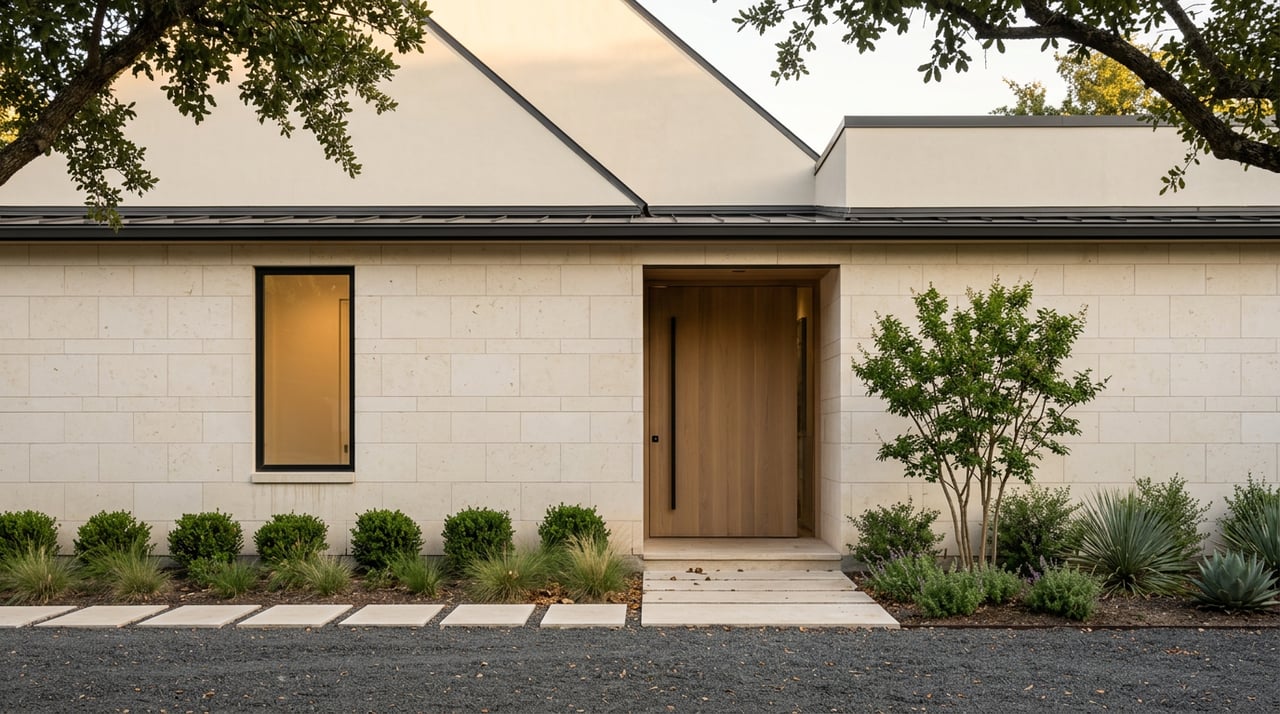
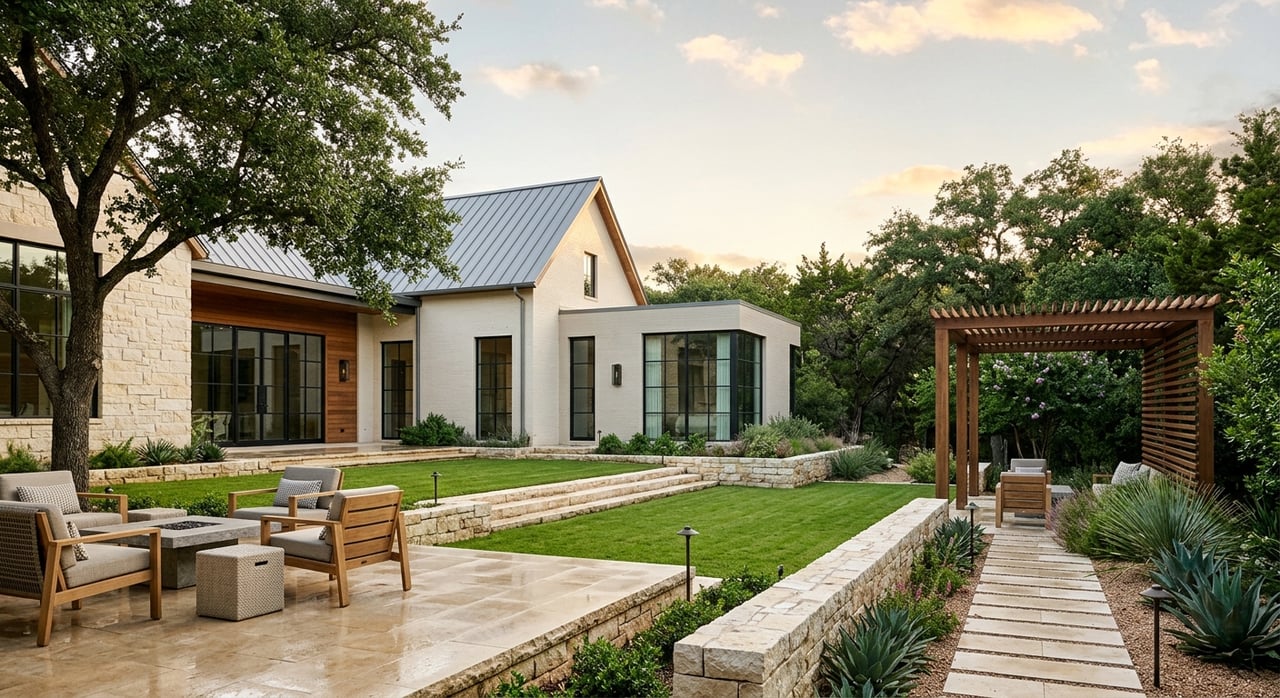
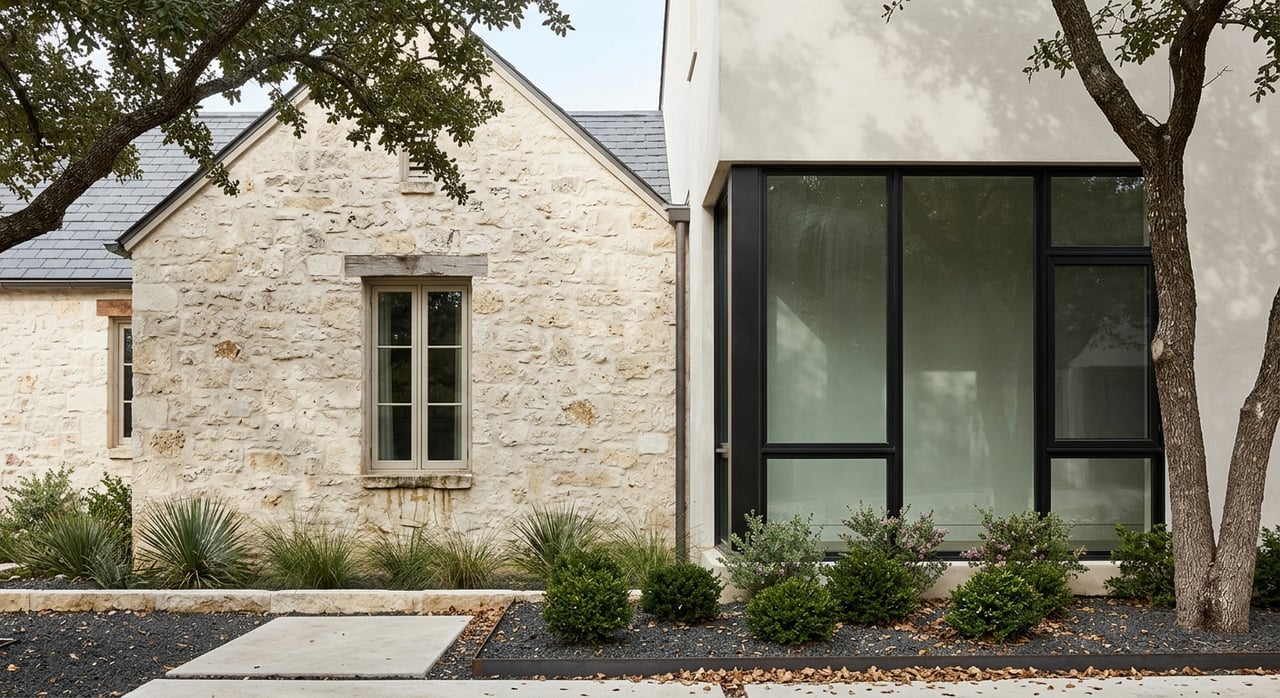
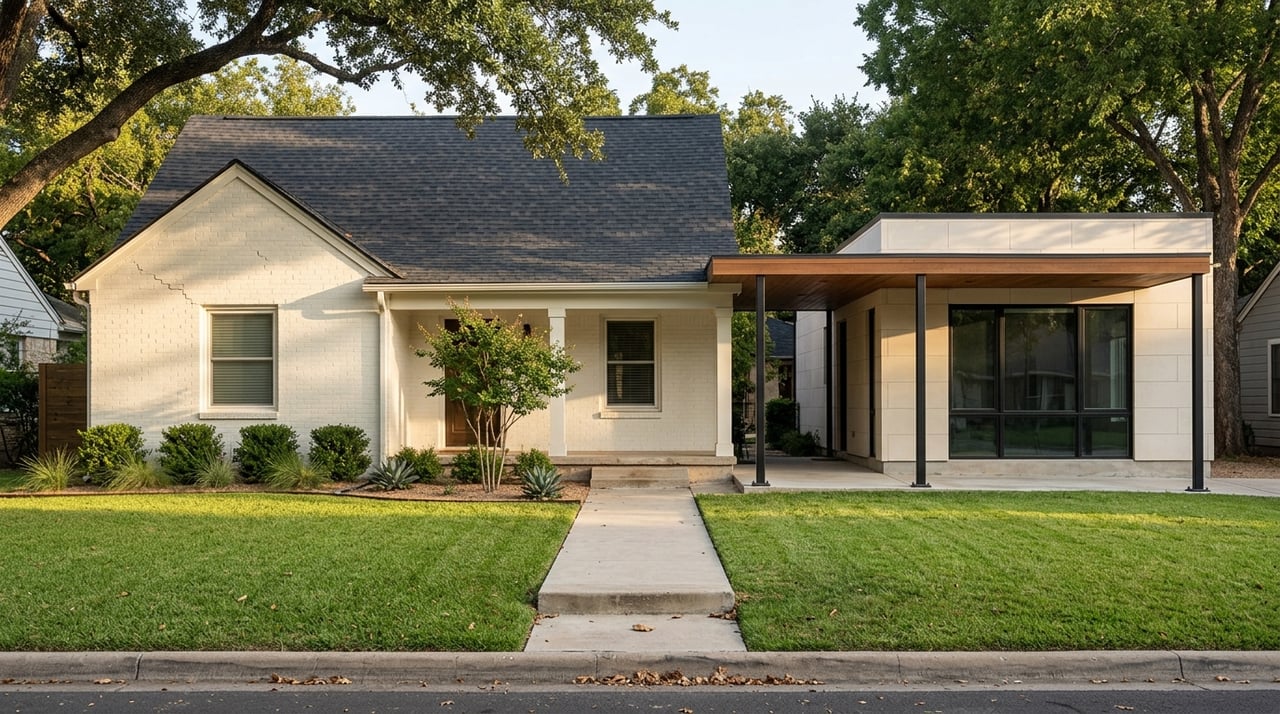
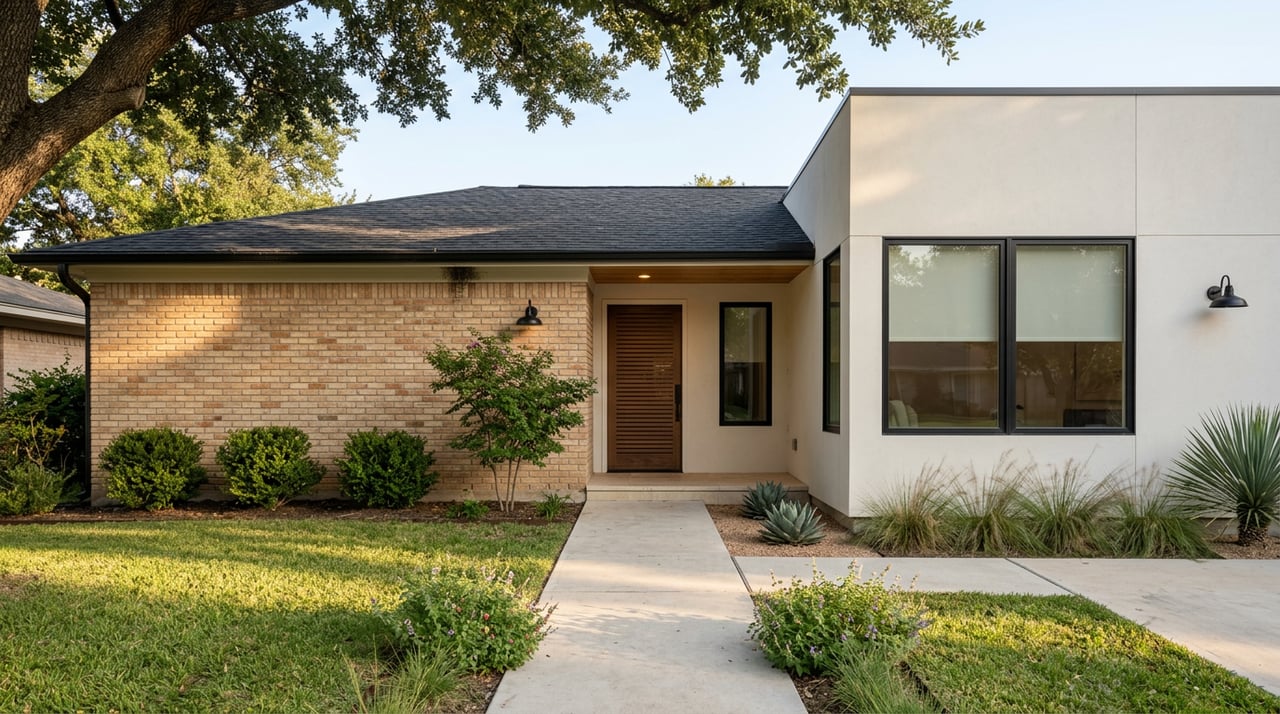
Architecturally, you see early to mid‑20th century bungalows, minimal‑traditional and ranch houses, plus some mid‑century examples. Many buyers value homes with historic character, while others look for modern infill that respects the street scale. Both renovated homes and well‑designed new builds attract interest here.
Zoning and size limits you should know
Much of Bryker Woods falls under the City of Austin’s Family Residence (SF‑3) base zoning. SF‑3 sets the foundation for what you can build, including typical height limits around 35 feet, a common maximum building coverage near 40 percent, and a typical maximum impervious cover near 45 percent for single‑family conditions. Always confirm the exact standards for your parcel in the City’s zoning guide.
In many central Austin neighborhoods, Subchapter F (often called the McMansion standards) also applies. A common cap for a single dwelling under Subchapter F is the greater of 0.4 floor‑area ratio (FAR) or 2,300 square feet of gross floor area. On a 7,000 square foot lot, 0.4 FAR yields about 2,800 square feet. The specifics can vary, especially with recent HOME code changes that affect how many units and how FAR is calculated for two or more units. Review the Subchapter F overview and the City’s HOME amendments before you finalize a plan.
Neighborhood plan overlays may also apply on certain blocks. These can add standards for parking, accessory units, or other site details. Your architect or advisor can help you verify whether an overlay affects your lot.
Historic review and teardowns
Bryker Woods is part of the Old West Austin National Register Historic District. While National Register status is honorary at the federal level, the City of Austin requires Historic Preservation Office and Historic Landmark Commission review for demolition or relocation of buildings that contribute to the district. In practice, you should expect notice, public hearings, and documentation requirements before a demolition permit is released for a contributing structure.
City code explains that demolition or relocation permits for contributing buildings are not typically released until the Historic Landmark Commission has reviewed the site and new construction plans. The Commission may encourage rehabilitation and often asks for a documentation package if demolition proceeds. This process adds time and soft costs to a teardown schedule, so plan for it early.
Trees, creeks, and site realities
Bryker Woods is known for its mature canopy, and the City protects many of those trees. On single‑family sites, trees with a diameter at breast height (DBH) of 19 inches or more are considered Protected, and certain species at 24 inches or more are designated Heritage trees. Heritage trees have stronger protections and typically require a variance for removal. An arborist survey is essential early in your planning to avoid surprises and to budget for mitigation or design shifts.
Parts of Old West Austin align with Shoal Creek and mapped floodplains. If your lot backs onto a creek or lies within a FEMA flood zone, that can change the allowable footprint, require drainage measures, or call for a different foundation approach. Pull the relevant FEMA and City watershed maps for your parcel at the start.
Permitting adds its own timing. Austin’s Residential Plan Review lists a baseline 15 business days for the first review cycle on new construction and additions. In reality, you should expect corrections, inter‑departmental sign‑offs, and, if applicable, historic review steps. Those items can extend the calendar.
Costs and timelines: renovate vs rebuild
Here is a grounded look at typical ranges and what drives the numbers in Austin today.
Renovation: what to expect
Renovations often carry lower hard costs than ground‑up builds, though surprises can change the picture fast. Older homes may need electrical, plumbing, and HVAC upgrades. Structural issues, such as foundation movement or framing repairs, are the most common budget escalators. A focused whole‑house renovation in Austin can vary widely by scope, often in the approximate $100 to $300+ per square foot range. Many midrange kitchen and bath updates tend to recoup a strong share of their cost on resale, based on Cost vs. Value data.
Timelines for renovation depend on scope. Cosmetic work can be measured in weeks. Full guts and additions can stretch into many months, especially if you touch the exterior envelope or trigger tree and drainage reviews.
Teardown plus new construction: what to expect
A custom new build gives you maximum layout flexibility within code limits. It also adds soft costs, a more complex permit path, and the time needed for design and construction. In the Austin market, typical custom builds often run about 9 to 18 months from permit to move‑in, depending on site, scope, and supply conditions. Reported hard construction costs for standard to mid‑high finishes commonly land around $160 to $300+ per square foot, with luxury work higher. Demolition and abatement can add several thousand to tens of thousands, depending on size, hazardous materials, and access.
What usually tips the scale
- Renovate when the structure has solid bones and the historic character is a market advantage you want to keep.
- Rebuild when your program needs a very different footprint or when code limits would allow a right‑sized new home that better fits your plan.
- In Bryker Woods, protected or heritage trees often drive layout. A rebuild that conflicts with tree protections may be less practical than a strategic addition.
Quick math to narrow your path
Use this three‑step test to ground your choice:
Calculate allowable size. Multiply lot square footage by 0.4 to estimate a Subchapter F cap for a single unit, or note the 2,300 square foot minimum cap if your lot is small. If your target program exceeds what FAR allows, a rebuild may not solve the size issue without special approvals.
Price both paths. Get two to three quotes for demolition and site prep, including asbestos testing. Ask two to three builders for per‑square‑foot estimates on a code‑conforming new build. For renovation, request a focused estimate that includes systems, kitchens, baths, and any addition you want.
Factor time and soft costs. Add design fees, engineering, permits, tree mitigation, and any historic documentation to both totals. Then add carrying costs for the months you will hold the property during construction.
Bryker Woods due diligence checklist
Before you write an offer or finalize scope, work through these items:
- Verify base zoning and any overlays for your parcel in the City’s zoning resources and confirm SF‑3 standards and site limits.
- Confirm historic status. If the home is a contributing resource in the Old West Austin National Register Historic District, plan for Historic Landmark Commission review tied to demolition.
- Order an arborist survey. Identify Protected and Heritage trees, likely impacts, and mitigation early.
- Check FEMA and City watershed maps for floodplain or creek‑related setbacks that may affect design or foundations.
- Arrange a pre‑inspection focused on structure and systems. Right‑size your renovation budget by understanding foundations, framing, and MEPs.
- Speak with the City Historic Preservation Office about likely review steps for your address. Early outreach helps set expectations.
- Gather two to three estimates for renovation, demolition only, and full new construction, including soft costs such as architecture, engineering, permits, and landscaping.
Timeline at a glance
- Historic review and demolition sequencing: plan for several weeks to a few months for meeting schedules, notice periods, and documentation.
- Residential plan review: baseline 15 business days for the first review cycle, plus time for corrections and inter‑department approvals.
- Construction: custom builds about 9 to 18 months from permit to move‑in. Renovations range from weeks to many months based on scope.
How to choose in Bryker Woods
Start with what you value and what the lot allows. If you love original details and your target space needs fit within existing walls plus a modest addition, renovation can offer faster delivery and strong resale appeal. If you want a different layout or more square footage within Subchapter F limits, a ground‑up build may deliver better long‑term function.
Balance that preference with the realities on your address. A contributing historic structure raises the bar for demolition approval and adds documentation steps. A large heritage tree in the middle of your ideal footprint can make a rebuild costly or impractical. Floodplain constraints can push you toward a renovation and targeted reconfiguration.
The best way to protect your budget is to front‑load due diligence, model both paths with real numbers, and involve an advisor who knows the district’s process.
Work with a seasoned local advisor
You do not have to navigate this alone. With deep experience advising on premium homes and custom builds across Central Austin, we help you assess FAR limits, historic review implications, tree constraints, and true, all‑in costs before you commit. We coordinate with architects, builders, and arborists so you can compare renovate vs rebuild on equal footing and choose the path that protects value.
Ready to talk through your goals in Bryker Woods? Request a Private Consultation with Jana Birdwell.
Sources and helpful links
- Learn about the Old West Austin National Register Historic District on the Bryker Woods history page.
- Review SF‑3 site standards in the City’s zoning guide.
- See context on Subchapter F (Residential Design & Compatibility).
- Check recent HOME amendments that affect units and how FAR may apply for multi‑unit options.
- Read the City code section on historic review and demolition sequencing.
- Confirm review timelines at Residential Plan Review.
- Understand tree reviews and permitting.
- Pull FEMA and City watershed panels for Shoal Creek area lots via this flood map PDF.
- Get Austin‑area construction cost context from TexasEstimate.
FAQs
What makes Bryker Woods different for teardowns?
- The neighborhood is in the Old West Austin National Register Historic District, so demolition or relocation of contributing structures typically requires Historic Landmark Commission review before permits are released, which adds time and documentation.
How do Subchapter F FAR limits affect a new build size?
- Subchapter F often caps a single dwelling at the greater of 0.4 FAR or 2,300 square feet; on a 7,000 square foot lot, that is about 2,800 square feet, so check whether your target program fits within that envelope.
Will tree protections change my design in Bryker Woods?
- Yes, trees 19 inches DBH or more are Protected and certain species at 24 inches DBH are Heritage; removal is restricted, so an arborist survey early in planning helps you design around canopies and budget for mitigation.
How long does permitting and construction usually take in Austin?
- The City targets about 15 business days for the first plan review cycle, but historic review, corrections, and inter‑agency sign‑offs extend timelines; custom builds often take 9 to 18 months from permit to move‑in.
What should I budget for a custom new build in Austin?
- Reported hard costs for standard to mid‑high finishes often land around $160 to $300+ per square foot, with luxury work higher, plus soft costs for design, engineering, permits, and landscaping.