If you are drawn to Barton Creek, one of the biggest decisions is not just which home to buy, but which setting fits the way you want to live. A home on or near the course can offer a very different daily experience from a home tucked deeper into the landscape. This guide will help you understand how Barton Creek course-adjacent living compares with nearby non-course options, so you can focus on the setting that best matches your priorities. Let’s dive in.
Barton Creek Setting at a Glance
Barton Creek North is a 2,500-acre master-planned community in West Austin with 11 gated communities. Its master association also includes the Barton Creek Country Club and Resort, which helps shape the area’s identity and lifestyle appeal.
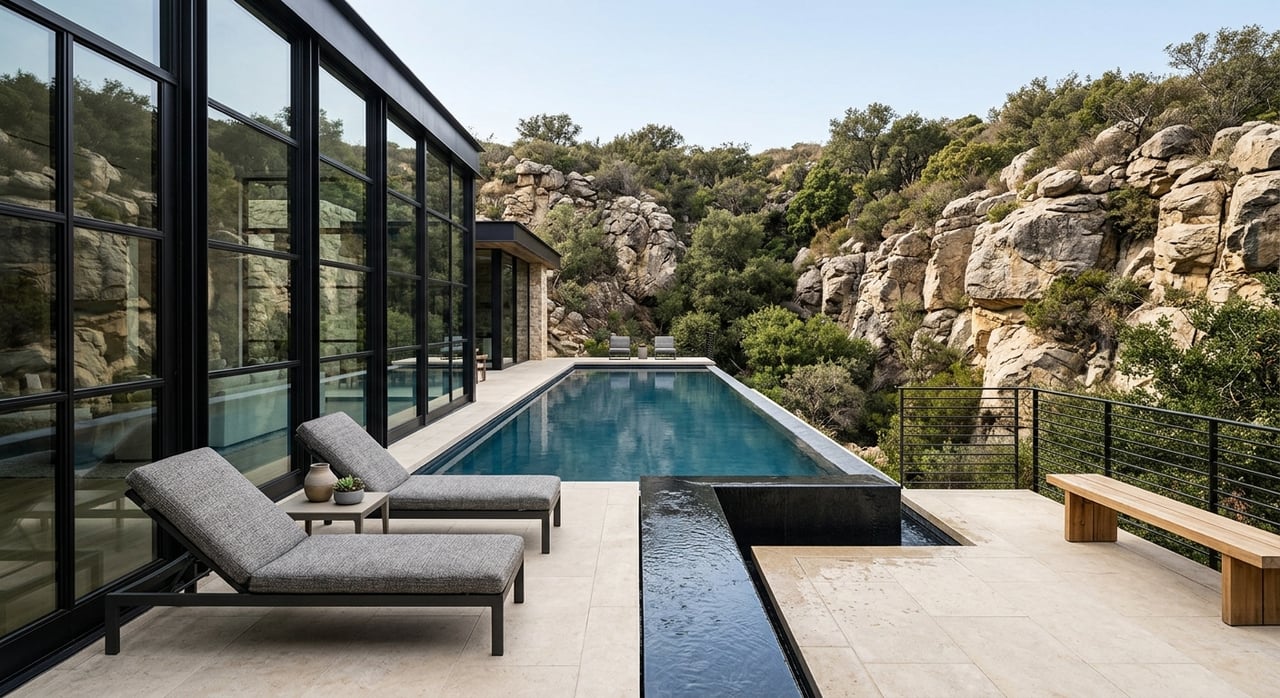
The setting itself is a major part of the story. The surrounding landscape includes steep slopes, limestone landforms, and low-density development, with nearby residential areas often defined by one-acre-or-larger lots. That means your lot placement, elevation, and orientation can strongly affect how a home feels from day to day.
What Living on the Course Means
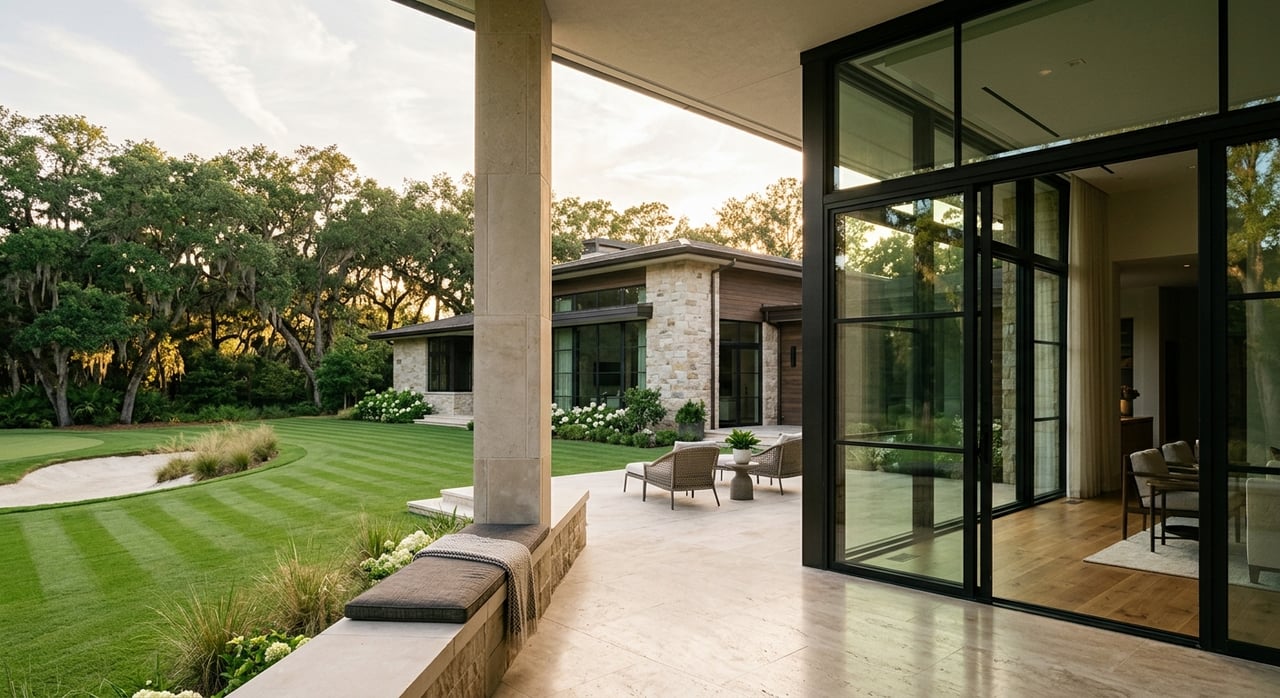
A course-adjacent home in Barton Creek often comes with a more open visual experience. Barton Creek North design guidelines note that lots next to golf courses may require special consideration, and golf-course lots generally include a 35-foot buffer zone with transition rules meant to soften the edge between a home and the fairway.
Those same rules also limit certain fencing choices in golf-course transition areas. Chain-link fencing is not allowed where visible, and standard wrought-iron-style fencing is generally required in these areas, while privacy or enclosing walls are reviewed case by case. In practical terms, the design approach tends to preserve a more continuous landscape edge rather than create a fully enclosed backyard feel.
For many buyers, that translates into a setting centered on openness, views, and proximity to a resort-style environment. Still, the exact experience can vary quite a bit depending on the lot’s topography, the home’s position, and the rules of the specific sub-association.
Open Views and Shared Edges
One of the biggest draws of a course lot is the sense of visual space. Because transition areas are designed carefully and hard privacy barriers may be limited, your backyard experience may feel more connected to the surrounding landscape.
That can be a strong fit if you value broad sightlines and a more expansive outdoor setting. It may be less ideal if your top priority is a heavily enclosed yard with maximum screening on every side.
Club Proximity Does Not Equal Playing Access
This is an important point for buyers to understand early. Living near the course does not automatically give you golf access.
According to Omni, tee times at Barton Creek are reserved for resort guests and members only, and bookings can be made up to 120 days in advance. If golf access is central to your decision, that is something to clarify separately from the home search itself.
What Nearby Non-Course Homes Offer
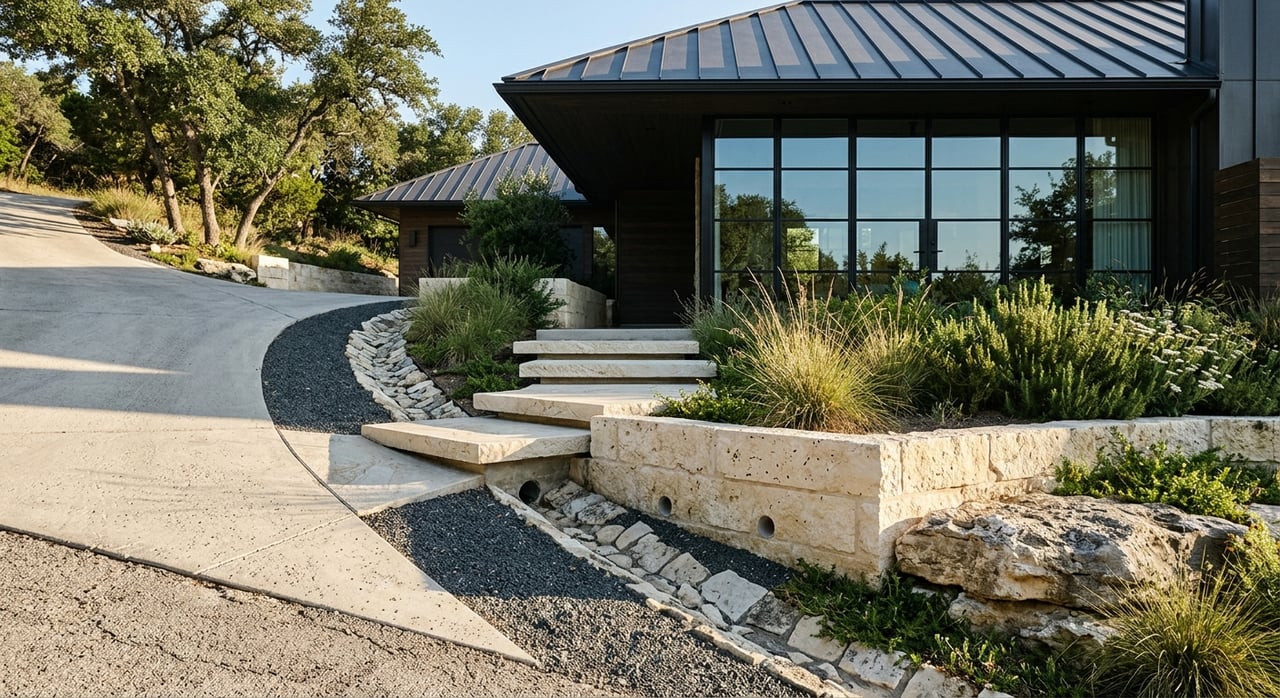
If you love Barton Creek but do not need a fairway backdrop, nearby non-course homes often deliver a different kind of appeal. The broader community still reflects a low-density Hill Country setting, and the design guidelines emphasize native vegetation, tree cover, water-conserving landscaping, and minimizing disturbance to the natural topography.
That usually creates a setting where the lot itself plays a bigger role in the experience. Instead of looking outward toward the course, you may be more focused on trees, natural contours, and a more screened feel.
More Landscape-First Privacy
Interior or greenbelt-backed homes in Barton Creek often feel more tucked into the terrain. Because lots adjacent to golf courses are treated differently in the design rules, homes away from the fairway edge can offer a setting that feels more shaped by landform and vegetation.
For buyers who want a quieter visual rhythm, this can be very appealing. The emphasis shifts from open fairway exposure to a more natural Hill Country backdrop.
Recreation Beyond the Fairway
Choosing a non-course lot does not mean giving up outdoor access. The Barton Creek Greenbelt offers more than 12 miles of trails, including a main 7.5-mile trail.
For buyers who want nature close at hand, that broader outdoor setting can be a meaningful part of life in the area. It also highlights that Barton Creek’s appeal is not limited to golf alone.
How Design Rules Shape Daily Living
In Barton Creek North, exterior improvements in most sub-associations require approval through the Master Architectural Control Committee. That review process can involve site plans, tree surveys, setbacks, drainage, fencing, utility screening, and other design details.
This matters because it points to a community shaped lot by lot rather than by a one-size-fits-all subdivision model. Homes are often designed with close attention to trees, views, and the natural terrain, which can preserve the area’s overall character.
For buyers, this means two things. First, homes in Barton Creek may feel more custom and site-sensitive than in more uniform neighborhoods. Second, changes you want to make later may involve a structured review process, so it helps to understand those expectations before you buy.
Course Lot or Interior Lot?
The best fit usually comes down to how you want your home to feel when you wake up, entertain, and spend time outdoors. In Barton Creek, the same address range can create very different experiences depending on elevation, orientation, and what sits behind the home.
Here is a simple side-by-side view:
| Setting | Often Appeals To Buyers Who Want | Common Character |
|---|---|---|
| Course-adjacent | Open views, immediate club proximity, resort-style surroundings | More visual openness, designed transition to the fairway |
| Interior or greenbelt-backed | Trees, screening, and a landscape-first setting | More natural buffering and a tucked-into-the-hills feel |
Neither option is universally better. It is really about matching the lot to your priorities.
Questions to Ask Before You Buy
Whether you are focused on a course-side property or a nearby non-course home, a few questions can help you compare options more clearly.
Ask About Lot Orientation
The direction a home faces and the way outdoor spaces are positioned can shape privacy, views, and how connected the lot feels to its surroundings. In Barton Creek, topography is especially important, so two homes with similar square footage may live very differently.
Ask About Fencing and Outdoor Changes
If you are considering a course-adjacent home, design rules around fencing and privacy features deserve special attention. Even on interior lots, exterior changes may still require review, so it helps to understand what is possible before you make plans.
Ask About Sub-Association Differences
Barton Creek North includes multiple gated communities, and the experience can vary from one section to another. The combination of terrain, lot size, and sub-association guidelines may affect both the current feel of a property and your future flexibility.
Choosing the Right Barton Creek Lifestyle
For some buyers, living on or near the course is the whole point. They want open views, close proximity to club amenities, and a setting that feels tied to the resort environment.
For others, the better fit is a home that captures Barton Creek’s natural side. They may prefer more tree cover, a stronger sense of screening, and a setting that feels grounded in the Hill Country landscape rather than the fairway edge.
That is why a Barton Creek home search works best when you go beyond price and square footage. The real question is how you want the property to function for your everyday life, your privacy preferences, and your long-term plans.
If you are weighing Barton Creek golf course living against nearby non-course options, working with a local advisor who understands lot-by-lot differences can make the decision much clearer. To explore Barton Creek homes with a more strategic, private approach, connect with Jana Birdwell.
FAQs
What does living on the golf course in Barton Creek usually feel like?
- Course-adjacent homes in Barton Creek often offer a more open setting, with transition rules and buffer areas that help preserve views and create a softer edge between the home and the fairway.
Does buying a home near the Barton Creek course include golf access?
- No. According to Omni, tee times are reserved for resort guests and members only, so living nearby does not automatically include playing access.
What do interior lots in Barton Creek usually offer?
- Interior and greenbelt-backed lots often emphasize trees, natural topography, and a more screened Hill Country feel rather than direct course visibility.
Are Barton Creek homes subject to architectural review?
- Yes. In most Barton Creek North sub-associations, exterior improvements are reviewed through the Master Architectural Control Committee, which may consider site plans, trees, drainage, setbacks, fencing, and related details.
Is Barton Creek only appealing for golf-focused buyers?
- No. Barton Creek also appeals to buyers who value low-density Hill Country surroundings, native landscape character, and access to outdoor recreation such as the Barton Creek Greenbelt trails.