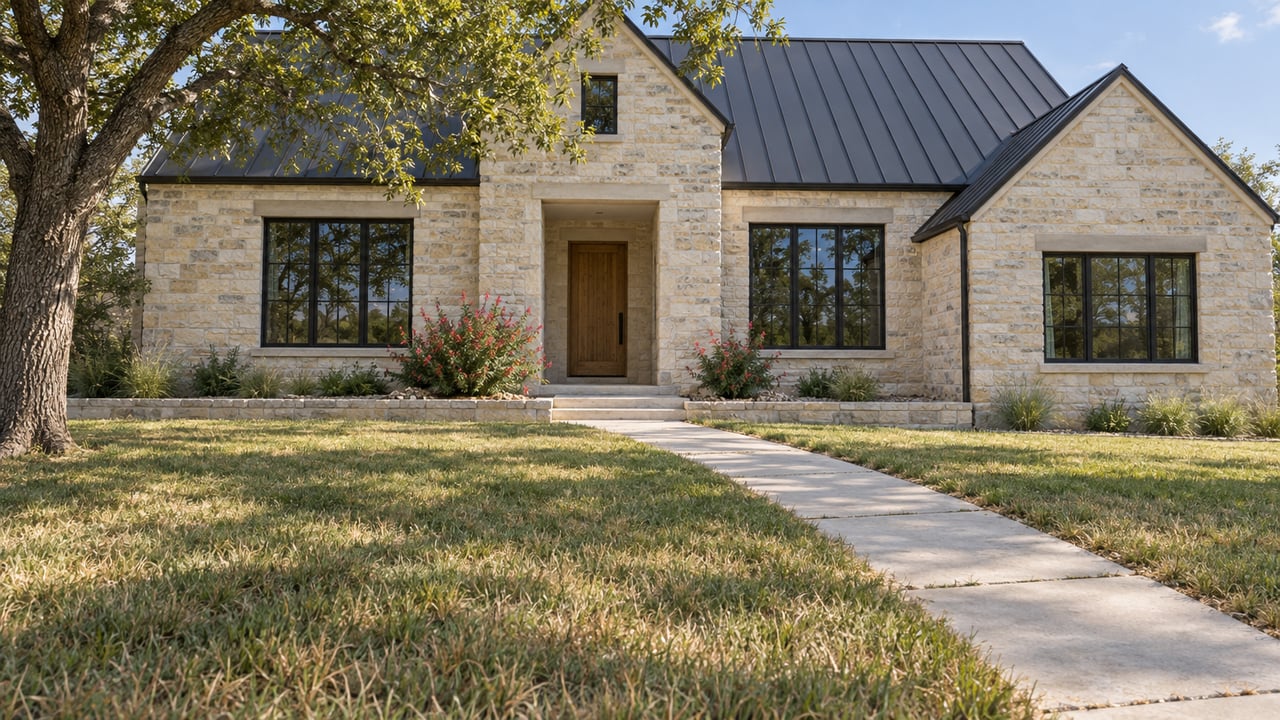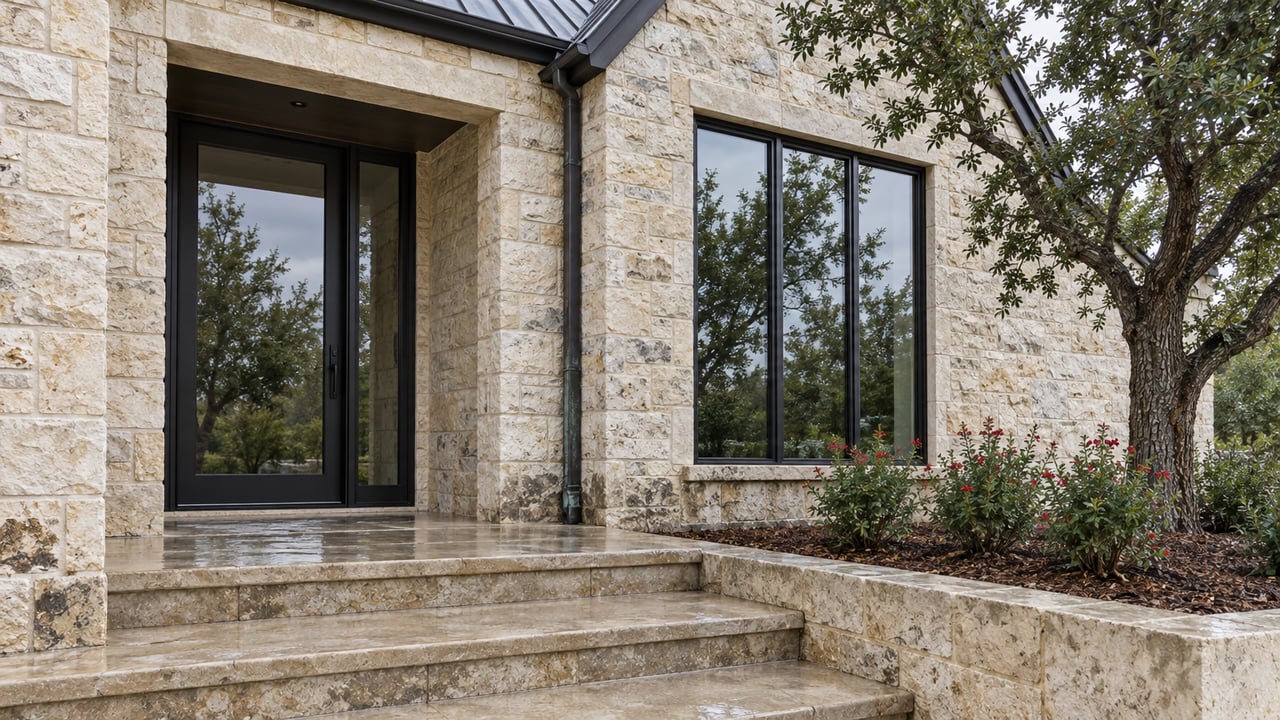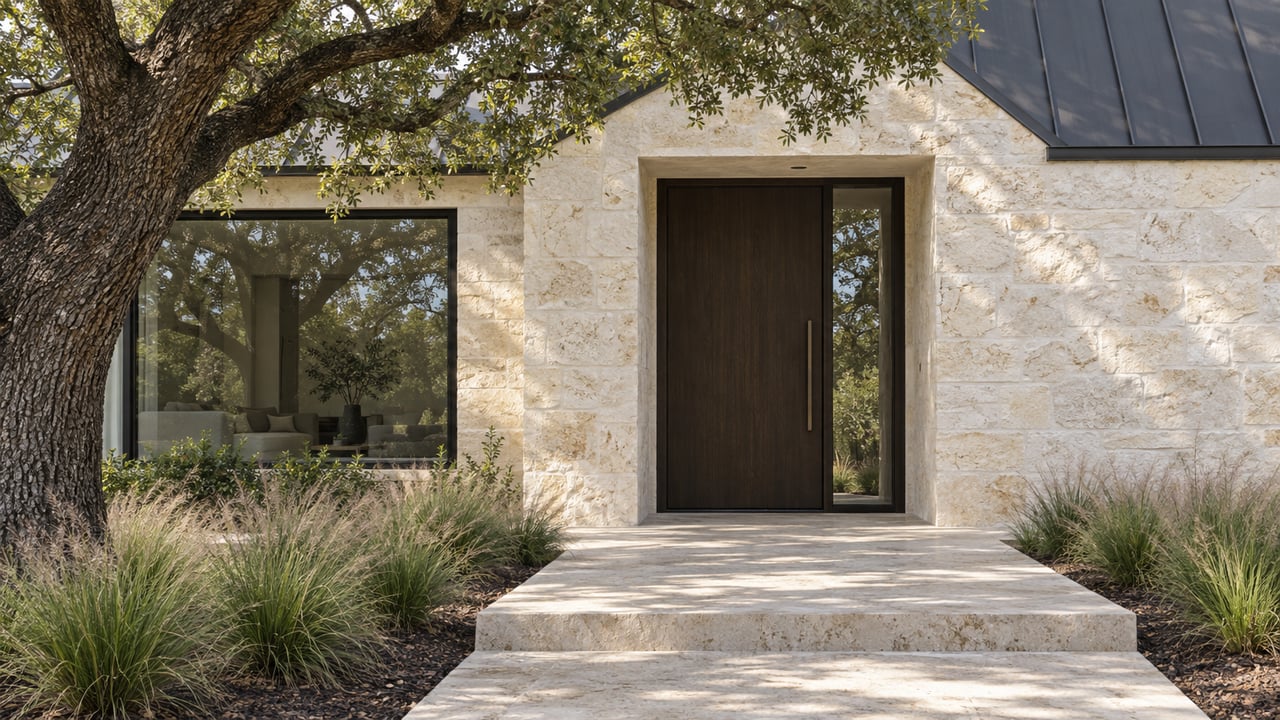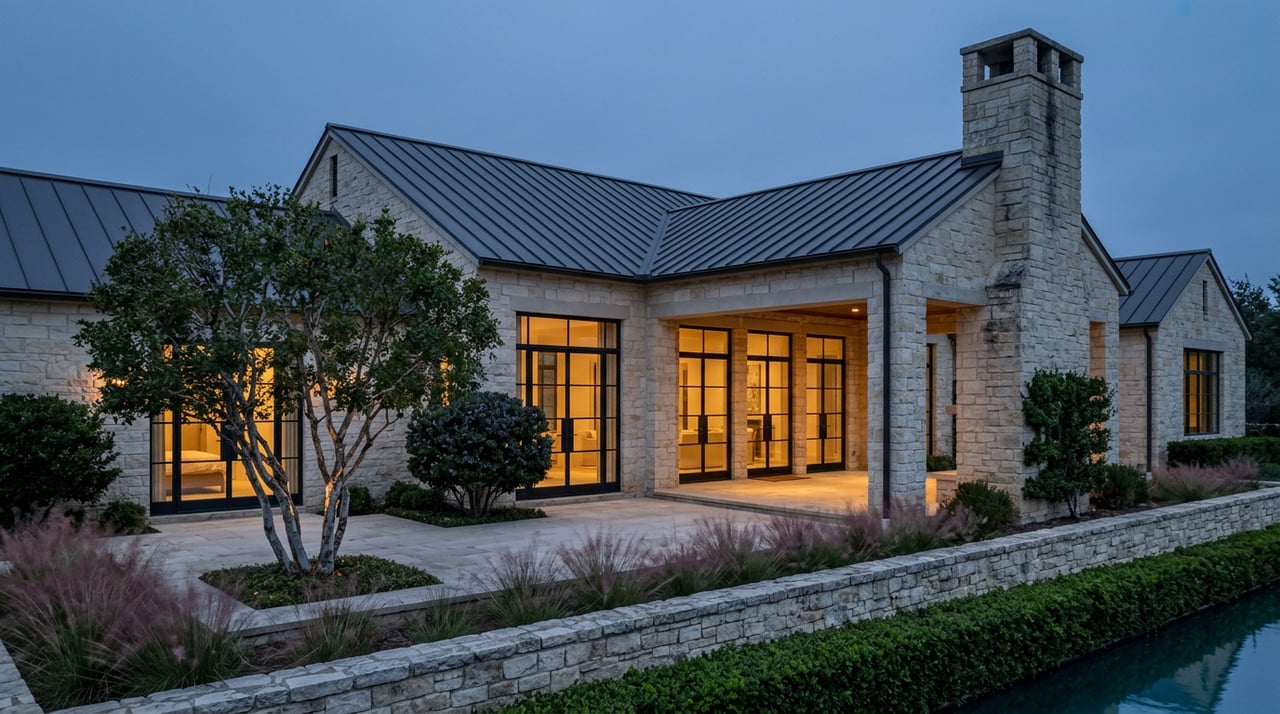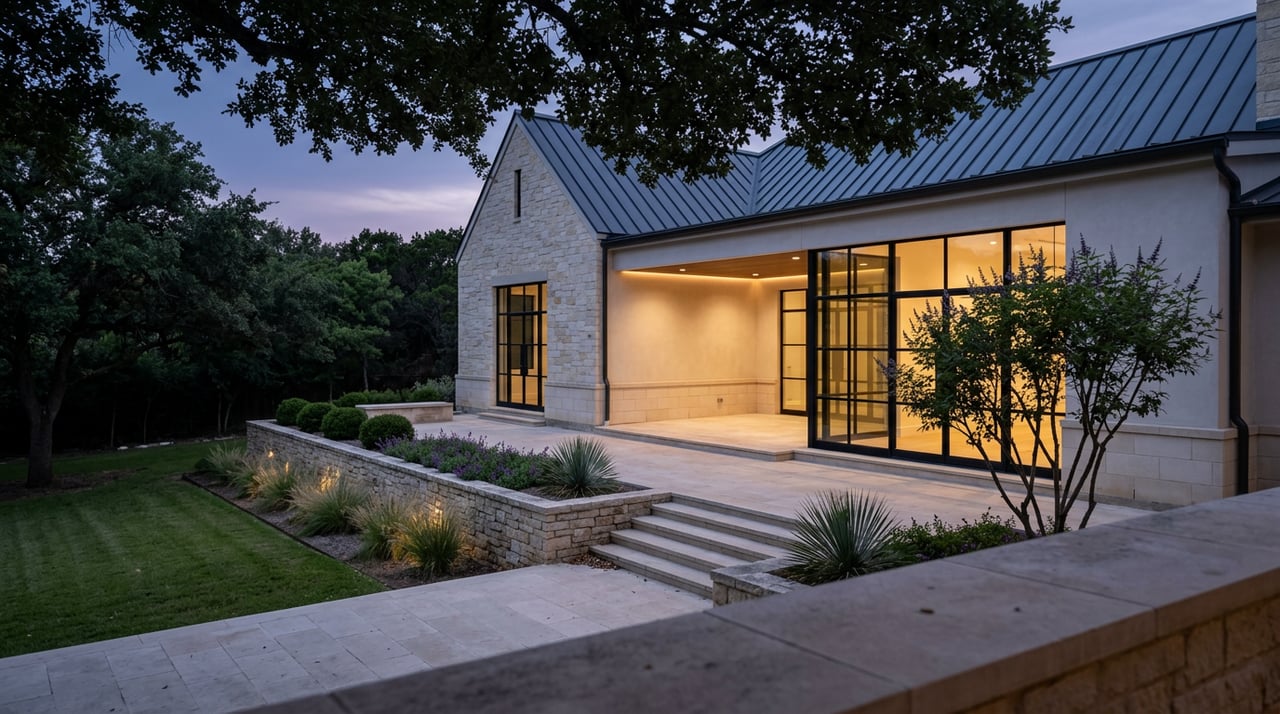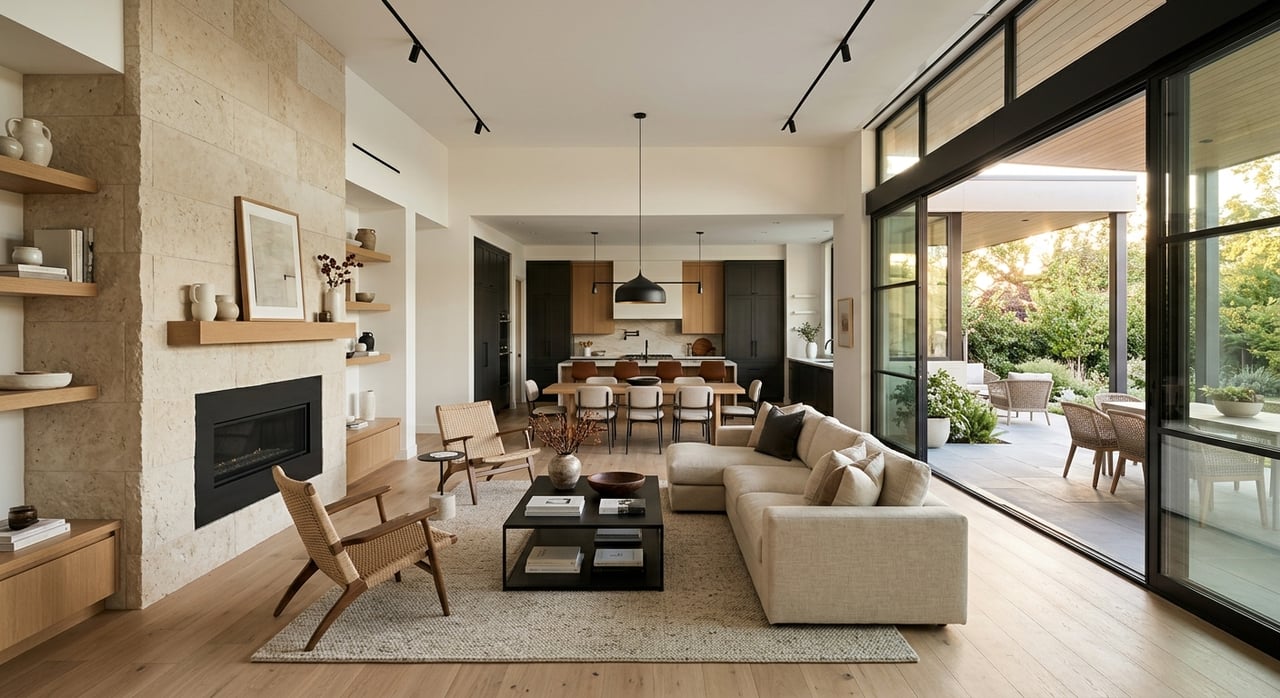
If you are considering buying pre-construction at Travis Club, you are not just choosing a homesite. You are making an early decision in a large, still-evolving luxury community where timing, documents, design review, and amenity rollout all matter. With the right questions up front, you can move forward with more clarity, protect your investment, and avoid surprises later. Let’s dive in.
Why Travis Club Is Getting Attention
Travis Club is a 1,500-plus-acre private lake and golf community on the southwest shore of Lake Travis. The developer says the community includes more than 10,000 feet of shoreline, more than 30 miles of private trails, homesites ranging from about 0.4 to 3.8-plus acres, and access to Lake Travis ISD.
For buyers looking for a Hill Country and lake lifestyle, that combination is naturally compelling. The community’s official amenity pages currently list a gatehouse, club campus, Duke’s and The Tree Bar, Peninsula Club, marina, and trails.
At the same time, Travis Club is still in active buildout. Community Impact reported nearly 700 planned custom homesites and first move-ins in early 2027, while a May 20, 2026 progress update stated that 10 homes were under construction, more than 40 were in design review, 165 homesite sales had closed, Phase I infrastructure was complete, and Phase II was nearing completion.
What Pre-Construction Really Means Here
At Travis Club, pre-construction is not a simple pick-your-finishes process. This appears to be a design-focused purchase where your homesite, team, approvals, and timeline all need to line up.
The public sales process is appointment-based through the Spicewood sales office, and the site invites buyers to tour the property and homesites before committing. Travis Club also says it can refer buyers to builders, architects, and interior designers, which can be helpful if you are still deciding what type of build path fits you best.
The key point is that you should expect more moving parts than you would see with a completed resale home. You are buying into a future delivery schedule, a review process, and a broader community rollout that is still underway.
Start With the Homesite, Not the Rendering
One of the most important things to understand is that the developer warns that renderings, roads, lot sizes, amenities, and other improvements may change. That means marketing materials are useful for orientation, but they should not be treated as final.
Before you sign, confirm the exact homesite details in writing. That includes lot dimensions, orientation, nearby future phases, expected road placement, and any view corridor assumptions you may be making.
This step matters even more in a project that is still developing infrastructure. What looks settled in a sales presentation may still be subject to revision, so written confirmation is far more valuable than a conceptual map or a polished rendering.
Design Review Will Shape Your Timeline
For many buyers, the biggest adjustment at Travis Club is understanding how central the design review process appears to be. The recorded covenant requires Architectural Reviewer approval before lot clearing or construction can begin.
The reviewer has authority over design guidelines and may reject plans on aesthetic grounds. The approvals are also time-limited, with 180 days to start and, unless an extension is granted, diligent completion within one year.
In practical terms, that means your architect, builder, and design team should be aligned early. If you wait too long to make decisions or assume the process is mostly administrative, your timeline can tighten quickly.
Questions to ask about design review
- What design guidelines apply to my homesite right now?
- How long is the current review cycle?
- What needs approval before site work begins?
- Are there deadlines tied to permit submission, start of construction, or completion?
- What happens if construction is delayed beyond the stated timeline?
Choose the Right Build Path Early
The official site highlights a broad roster of builders and architects, including custom builders, design-build firms, and architecture practices. That variety is a plus, but it also means you should define your preferred path before you commit.
Some buyers want a highly custom process with a separate architect and builder. Others prefer a more streamlined design-build or concierge-style experience. Neither approach is automatically better, but the fit matters.
Your decision will affect your budget structure, communication flow, timeline, and design flexibility. It is wise to clarify who is responsible for plans, pricing, allowances, approvals, and change orders before you go under contract.
Review the Purchase Packet as a Package
In a community like Travis Club, the sale contract is only one piece of the decision. The recorded master covenant makes each owner a mandatory Club member and states that Club Assessments can be collected and secured against the property, including regular and special assessments.
That is why the full purchase packet matters. You should review the sale contract, club declaration, HOA or association documents, design guidelines, and assessment schedule together rather than treating them as separate issues.
For Texas buyers, contract form selection also matters. TREC has a standard New Home Contract for incomplete construction, and TREC says the 23-20 version is available for voluntary use until July 1, 2026, when it becomes mandatory. If the home is already complete, a different TREC new-home form may apply, so it is worth confirming which contract set is actually being used at the time of offer.
Key contract questions to raise
- Is this contract for incomplete construction or a completed home?
- Which TREC form and addenda are included?
- Is the mandatory-membership addendum part of the package?
- Are club dues, initiation fees, and assessments separate from any HOA charges?
- When do assessments begin?
- What is included in the base price, and what is not?
Verify Amenity Timing Before Closing
Amenity-rich communities often market the future lifestyle as much as the homesite. That is understandable, but at Travis Club, timing matters.
The amenities page describes a gatehouse with 24/7 security, while the covenant states that the gate system may remain open or non-operational during the development period and is not a guarantee of personal protection. That does not mean the amenity vision is unimportant. It means you should verify what is actually operating on your closing date rather than assuming every advertised feature will be ready.
The same logic applies to the golf course, marina, dining venues, and other club features. If a certain amenity is a key part of your buying decision, ask for the current status and expected opening timeline in writing.
Financing Works Differently for Pre-Construction
Construction financing is not the same as a standard resale mortgage. According to the CFPB, construction loans are usually short-term, funds are often released in draws as work progresses, rates may be higher than long-term mortgages, and some loans convert to permanent financing while others require a new loan application.
That structure can affect your cash flow, closing strategy, and rate-lock planning. A preapproval letter can help you shop, but it does not commit you to a lender, and buyers can compare official Loan Estimates before choosing one.
For a pre-construction or custom build purchase, one of the first things to ask is whether the transaction will use one-close or two-close financing. You will also want to understand how long any rate lock must last in relation to the likely construction timeline.
Financing questions worth asking
- Is this one-close or two-close financing?
- Does the loan convert to permanent financing, or will a second loan application be required?
- How are draws handled during construction?
- How long can the rate be locked?
- What happens if construction runs past the expected completion date?
- When will Loan Estimates be issued after application?
Understand the Closing Process in Texas
Closing is the point where the loan becomes final and ownership transfers. If the terms at closing differ from what you expected, that is a signal to pause and get clarification before signing.
In Texas, title insurance protects both the buyer and the lender. The lender usually requires a mortgagee policy, the owner policy is issued unless it is rejected in writing, title insurance rates are standardized statewide, and the buyer can choose any Texas Department of Insurance licensed title company.
That gives you an important layer of predictability on the title side. It also reinforces why a careful document review before closing is so important, especially in a community where the homesite, club structure, and development schedule all affect the bigger picture.
A Smart Buyer’s Travis Club Checklist
If you want a cleaner, lower-stress path, focus your diligence on the points most likely to affect cost, timing, and expectations.
- Confirm the exact homesite, boundaries, and nearby future phases in writing
- Verify current amenity status and expected opening timelines
- Review the covenant, club documents, HOA materials, and assessment schedule together
- Clarify which TREC contract form and addenda are being used
- Ask what the base price includes and when change orders are due
- Understand the design review process and associated deadlines
- Align financing structure with the projected build timeline
- Confirm what starts at closing, including dues, fees, and assessments
Why Representation Matters in a Project Like This
Buying early in a high-end, still-evolving community can create real upside, but it also calls for more diligence than a typical resale purchase. The pressure points are usually not dramatic. They are the smaller issues that stack up, like contract form selection, timing of assessments, amenity assumptions, design review deadlines, and financing windows.
That is where experienced guidance can make a meaningful difference. When you have someone helping you confirm the lot, review the document package, and align the build path with your goals, you are far more likely to make decisions from a position of clarity.
If you are considering Travis Club and want a strategic, discreet second set of eyes on the homesite, documents, and pre-construction process, Jana Birdwell can help you navigate the details with the level of care a purchase like this deserves.
FAQs
What does pre-construction buying at Travis Club usually involve?
- It appears to involve selecting a homesite in a community still under development, then working through contract review, club and association documents, builder or architect selection, design review, financing, and a future construction timeline.
What should you confirm about a Travis Club homesite before signing?
- You should confirm the exact lot details in writing, including dimensions, orientation, nearby future phases, road placement, and any assumptions about views or adjacency, because the developer states that roads, lot sizes, amenities, and other improvements may change.
How important is design review at Travis Club?
- Design review appears to be central to the process because the recorded covenant requires approval before lot clearing or construction, allows aesthetic review, and sets deadlines for starting and completing construction unless extensions are granted.
Are club membership and assessments required at Travis Club?
- The recorded master covenant states that each owner is a mandatory Club member and that Club Assessments may be collected and secured against the property, so buyers should review those obligations carefully as part of the full purchase packet.
What financing questions matter most for a Travis Club pre-construction purchase?
- Important questions include whether the loan is one-close or two-close, whether it converts to permanent financing, how draws work, how long a rate lock can last, and what happens if the build timeline changes.
What should buyers verify about Travis Club amenities before closing?
- Buyers should verify which amenities are actually operating on the closing date, along with the expected timing for features such as the golf course, marina, dining venues, and gate operations, rather than relying only on marketing renderings.