Shopping in Barton Creek and bumping into “jumbo loan” talk? You are not alone. Many homes here sit above standard financing thresholds, which means your mortgage path can look different from a typical loan. In this guide, you will learn what counts as a jumbo loan, how limits and rates work, what lenders expect, and practical strategies to win offers and close smoothly in Barton Creek. Let’s dive in.
What counts as a jumbo loan
A jumbo loan is a mortgage that exceeds the conforming loan limit set each year by the Federal Housing Finance Agency. Loans at or below the local conforming limit can be purchased or guaranteed by Fannie Mae or Freddie Mac. Anything above the applicable county limit is considered a true jumbo.
Some areas get a higher “high-balance” conforming limit. If a county does not have that higher tier, amounts above the baseline limit are jumbo. Government-backed programs like FHA and VA have their own rules and limits that are separate from conforming standards.
Why Barton Creek sees jumbos
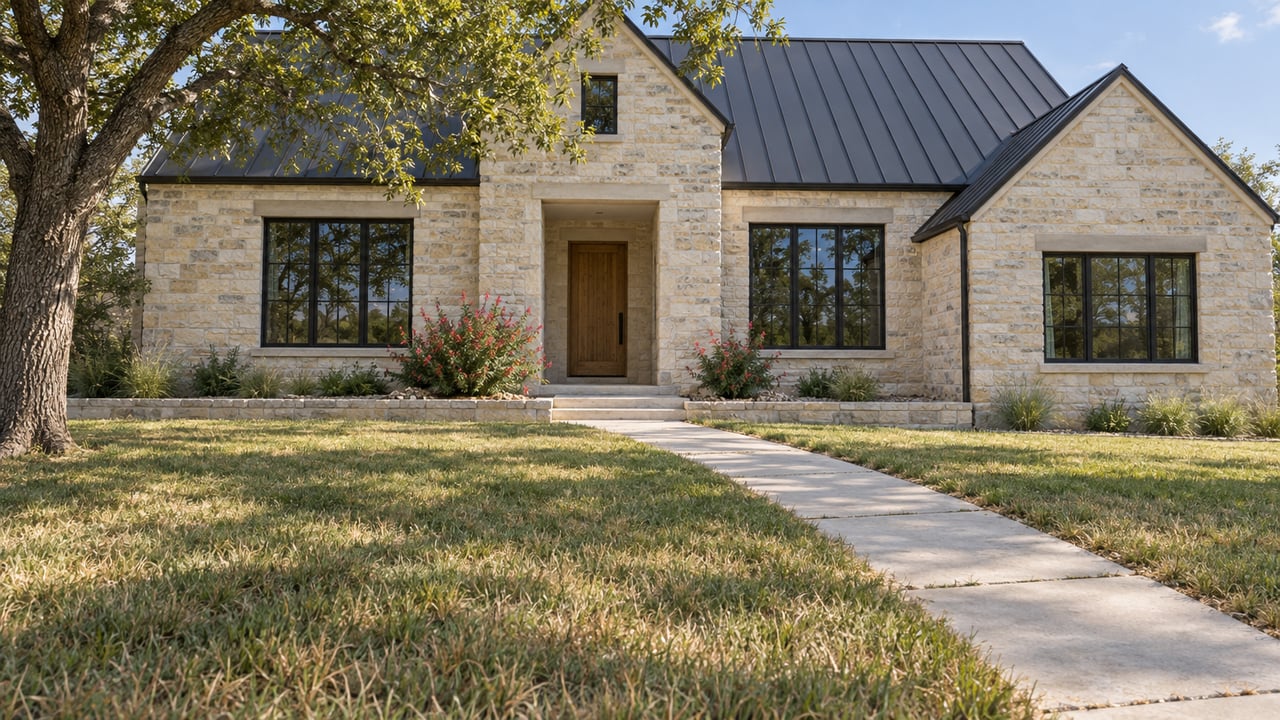
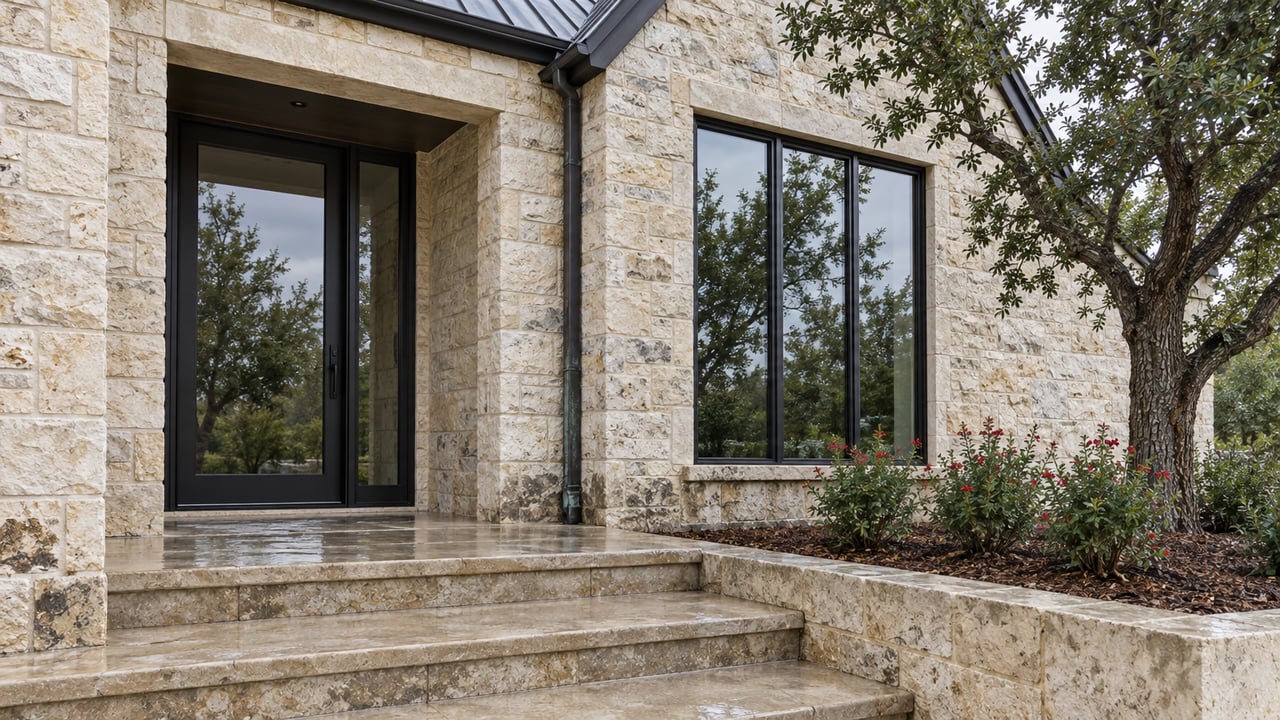
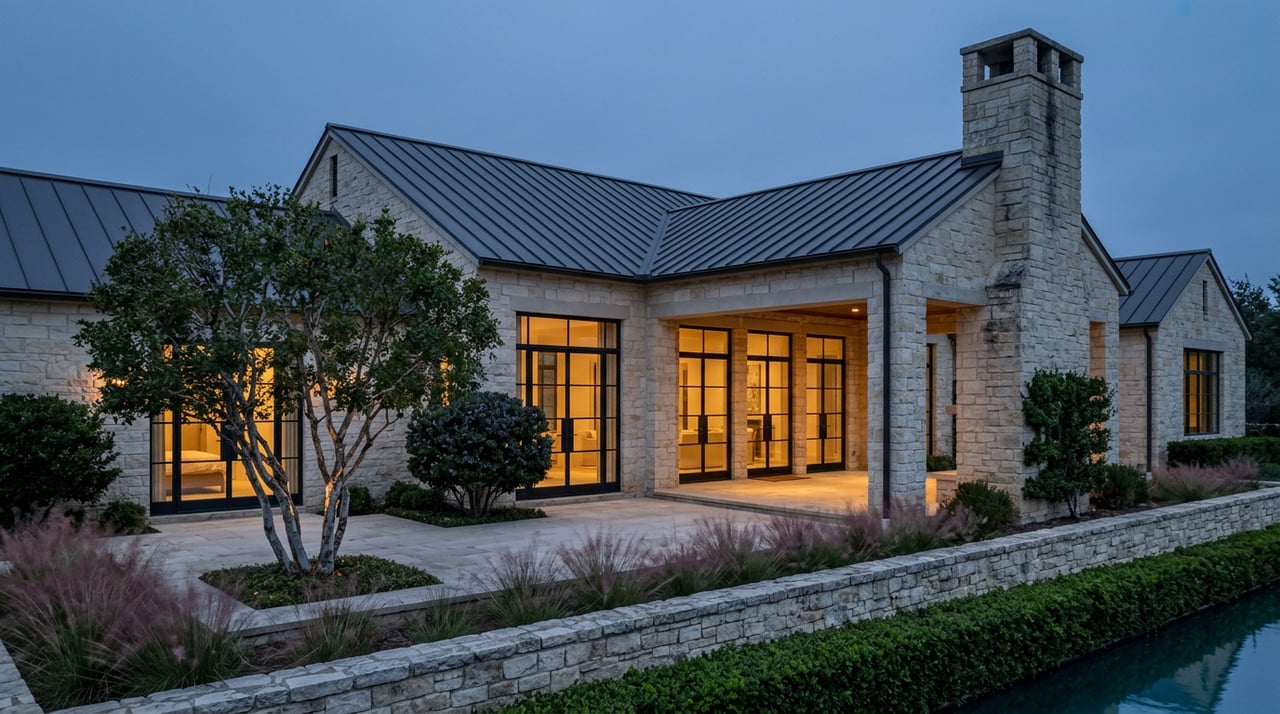
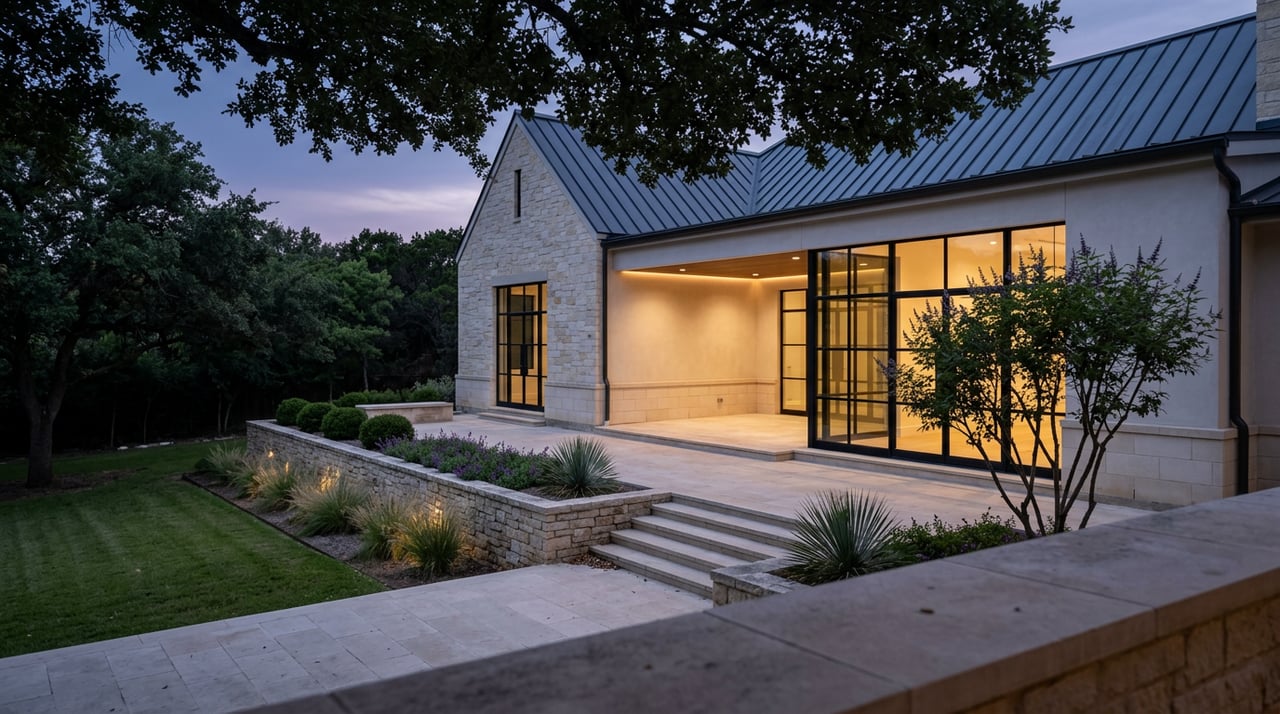
Barton Creek is a premium corner of the Austin market with estate homes, custom builds, and luxury amenities. Purchase prices often require loan amounts above the local conforming threshold. Buyers frequently need jumbo financing, and sellers should understand the added appraisal and underwriting complexity that can come with these loans.
In a luxury neighborhood, comparable sales can be limited, and unique features may complicate valuation. That can influence lender appetite and timing, even for strong buyers.
How limits are set
The FHFA sets a baseline conforming loan limit each year. Some counties receive a higher limit if they are designated high-cost. FHA and VA have separate standards and county-level references. For VA, borrowers with full entitlement do not face the same county loan limits, though lenders may still apply their own overlays.
Because limits change annually and differ by property type, always verify the current year’s numbers for Travis County using the appropriate FHFA, HUD, and VA resources. If you are financing a 2 to 4 unit property or considering FHA or VA, check those agency references as well.
Rates and what affects them
Jumbo rates are not fixed in relation to conforming rates. They can be higher, similar, or even lower depending on investor demand and the overall rate environment. Lender overlays and risk appetite matter, especially in luxury markets.
Here are the main drivers you should watch:
- Credit score. Higher scores often get better pricing, commonly 700 to 760 for the best terms.
- Loan-to-value ratio. The lower your LTV, the better. Many jumbo programs expect 20 to 30 percent down, and some require more for very large loans.
- Debt-to-income and reserves. Conservative DTI targets are common. Lenders frequently require 6 to 24 months of reserves, depending on loan size and property use.
- Documentation type. Full documentation tends to price best. Bank-statement or asset-driven programs usually carry a premium.
- Property type. Unique homes, large acreage, and non-warrantable condos can add pricing adjustments or documentation.
- Product structure. Fixed jumbos, ARMs, and interest-only options price differently. ARMs may offer lower initial rates but include future rate risk.
In Barton Creek, lenders may price in extra caution if comps are thin or the property is highly unique. That is normal in this tier.
Jumbo underwriting basics
Jumbo underwriting is usually more exacting than standard conforming loans. Expect the following ranges, noting that every lender is different:
- Credit score: Often 700 to 760 for best terms.
- Down payment: Commonly 20 to 30 percent. Lower down options can exist with strong compensating factors or secondary financing, but pricing varies.
- Reserves: Often 6 to 24 months of total housing payments.
- DTI: Many lenders target under 43 to 45 percent, with exceptions for strong profiles.
- Documentation: Full income and asset verification is preferred. Self-employed buyers may use tax returns or bank-statement programs through lenders that offer them.
Some lenders also offer asset depletion or other portfolio products that help asset-rich buyers qualify. These options are helpful when traditional income documentation does not reflect true capacity.
Appraisal and property factors
Luxury homes rely heavily on quality comparable sales. In Barton Creek, unique floor plans, custom finishes, and varied lot positions can limit comps. If the appraisal comes in below contract price, buyers and sellers may need to bridge the gap, negotiate, or provide additional comps for review.
Other overlays can include HOA rules, private road agreements, or environmental features like slope, canyon adjacency, or proximity to water. These are normal in Hill Country neighborhoods and may prompt extra documentation.
Smart buyer strategies
You can improve both pricing and certainty by planning early. Use these steps to position your offer well:
- Get fully pre-approved, not just prequalified. Ask for a full income and asset review so your offer carries weight.
- Compare multiple lenders. Request written estimates at your exact loan amount, down payment, and credit score. Compare the full price stack, not just the headline rate.
- Choose a lender with local luxury experience. A team that understands Travis County comps and Barton Creek nuances can streamline underwriting and appraisal.
- Prepare reserves and documentation. Organize bank statements, tax returns, K-1s, and explanations for large deposits. Plan timing for liquidating assets if needed.
- Explore product structure. Consider fixed, ARM, or interest-only options based on your time horizon. Weigh the risk of future rate moves and recast options.
- Strengthen the appraisal. Coordinate with your agent to provide upgrades, HOA details, and quality comps to the appraiser through the proper channels.
- Plan for timing. Jumbo files can take longer. Align rate locks, contingency periods, and closing windows accordingly.
Quick buyer checklist
- Full pre-approval from a jumbo-capable lender
- Two years of tax returns and recent pay stubs or income statements
- Updated asset statements and verified reserve plan
- Clear source-of-funds for down payment and closing costs
- Strategy for appraisal variance and any bridge financing
- Product comparison: fixed vs ARM vs interest-only
- Rate lock plan and any float-down options
Tips for Barton Creek sellers
You can reduce risk and keep your closing on track when a buyer uses jumbo financing:
- Ask for a full pre-approval letter and lender contact with the offer.
- Share a package of improvements, unique features, and neutral market facts to support the appraisal.
- Anticipate a longer underwriting path. Build in reasonable timelines and be responsive to lender questions.
- Consider a pre-listing appraisal for very custom properties. It adds cost, but it can reduce surprises later.
- Evaluate concessions strategically. A modest seller credit or appraisal-related support can help retain a qualified jumbo buyer.
Creative structures to explore
In certain situations, a different structure can improve approval odds or pricing:
- Piggyback 80-10-10. A first mortgage at 80 percent, second at 10 percent, and 10 percent down. Availability varies.
- Portfolio loans. Local and regional lenders that hold loans in-house may allow more flexibility on unique properties or borrower profiles.
- Interest-only periods. Lower initial payments for a set term. Understand payment changes when amortization begins.
- Bridge loans or a HELOC on your current home. Useful for timing the sale of an existing property while making a strong non-contingent offer.
Government-backed options
If you are eligible for VA financing and have full entitlement, VA rules do not impose the same county loan limit structure. Lenders may still apply overlays and the property must appraise and meet program requirements. FHA loans have separate county limits and different documentation, down payment, and mortgage insurance rules.
Buyers who want to compare FHA, VA, and conventional jumbo should do so early, since appraisal, mortgage insurance, and cash-to-close can differ meaningfully by program.
Closing timeline and locks
Jumbo timelines can be similar to conforming loans, but the path often includes more documentation, second-level credit reviews, and appraisal steps. Build in a little extra time at contract.
Lock strategy matters. Ask about lock duration, extension fees, and any available float-down option if rates improve before closing. For large loan amounts, lock policies can differ from conforming programs, so get clarity in writing.
How to confirm limits and next steps
Since loan limits update annually and vary by property type, confirm the current Travis County conforming limit and any program-specific rules through FHFA, HUD, and VA resources. If you plan to use FHA or VA, verify the latest county references and entitlement guidance with your lender.
If you are considering a move in Barton Creek, pair lender guidance with local market strategy. A seasoned agent can help you evaluate property-specific risks, comp selection, and timing so your financing plan supports your goals.
Ready to talk through your options and craft a winning plan for Barton Creek? Request a Private Consultation with Unknown Company to align your financing, timing, and negotiation strategy.
FAQs
What is a jumbo loan in Travis County?
- A jumbo loan is any mortgage above the applicable conforming loan limit for the county. It sits outside Fannie Mae and Freddie Mac standards, so pricing and underwriting differ.
Do jumbo loans always have higher rates?
- Not always. Jumbo rates depend on market conditions, investor demand, and your profile. In some environments, they can be similar to or better than conforming rates.
How much down payment do jumbo loans require?
- Many lenders expect 20 to 30 percent down, with stronger reserve and documentation requirements. Some allow lower down with secondary financing or other factors.
How do appraisals work for luxury homes?
- Appraisers need solid comparable sales. In Barton Creek, unique features can limit comps, which may lead to valuation gaps. You can respond with comps, negotiation, or extra cash to bridge.
Can VA loans work for high-priced homes?
- Eligible veterans with full entitlement are not bound by county loan limits, but lenders can still apply overlays. The home must appraise and meet VA program standards.
How long does a jumbo loan take to close?
- Timelines can mirror conventional loans, but extra documentation and appraisal steps may extend the process. Plan for additional time when setting your closing date.