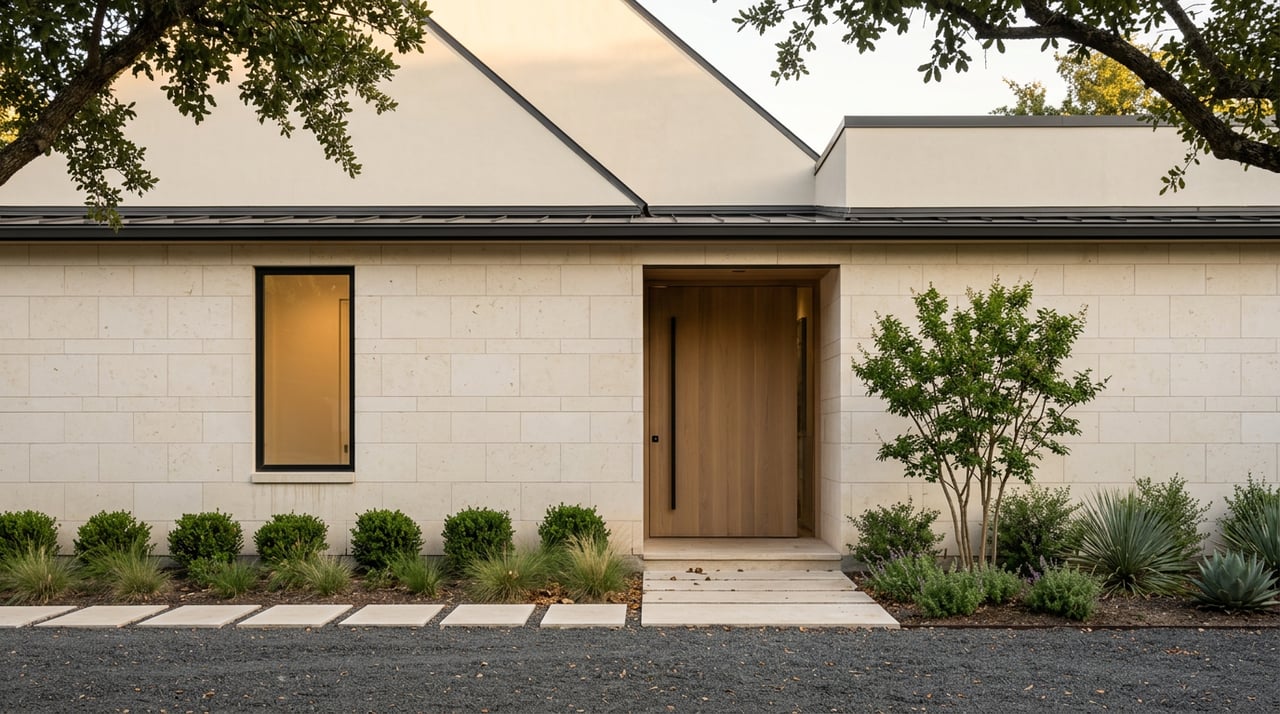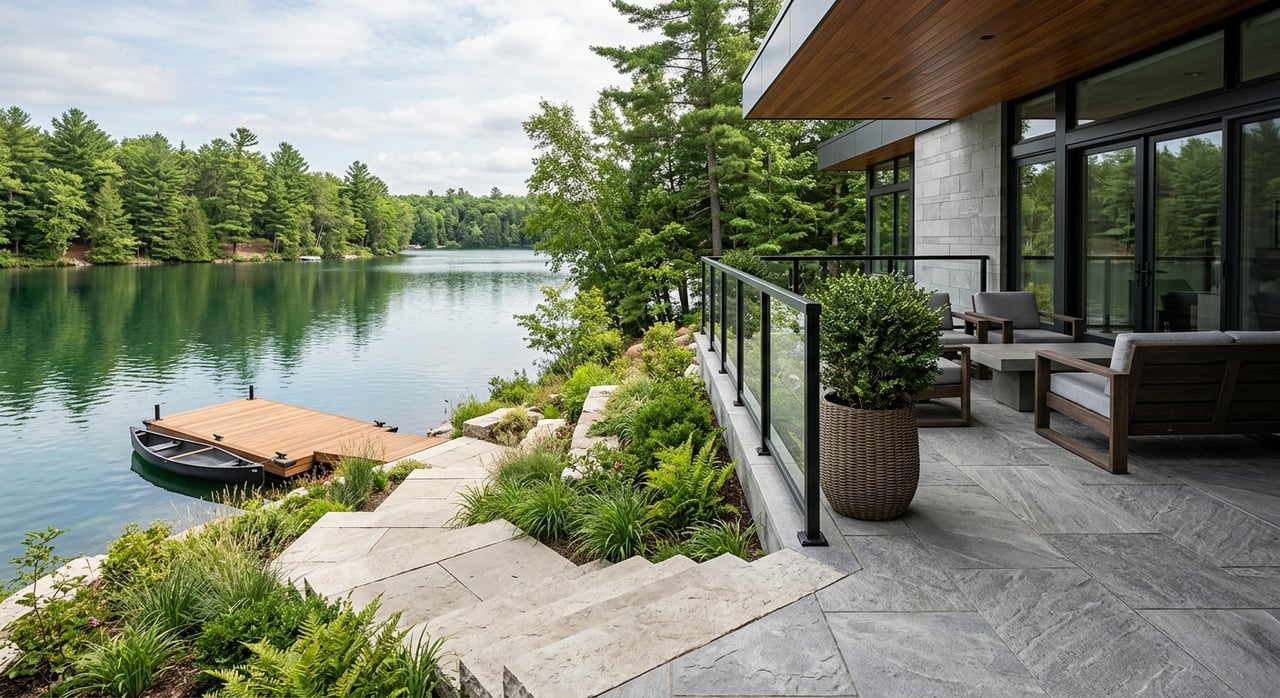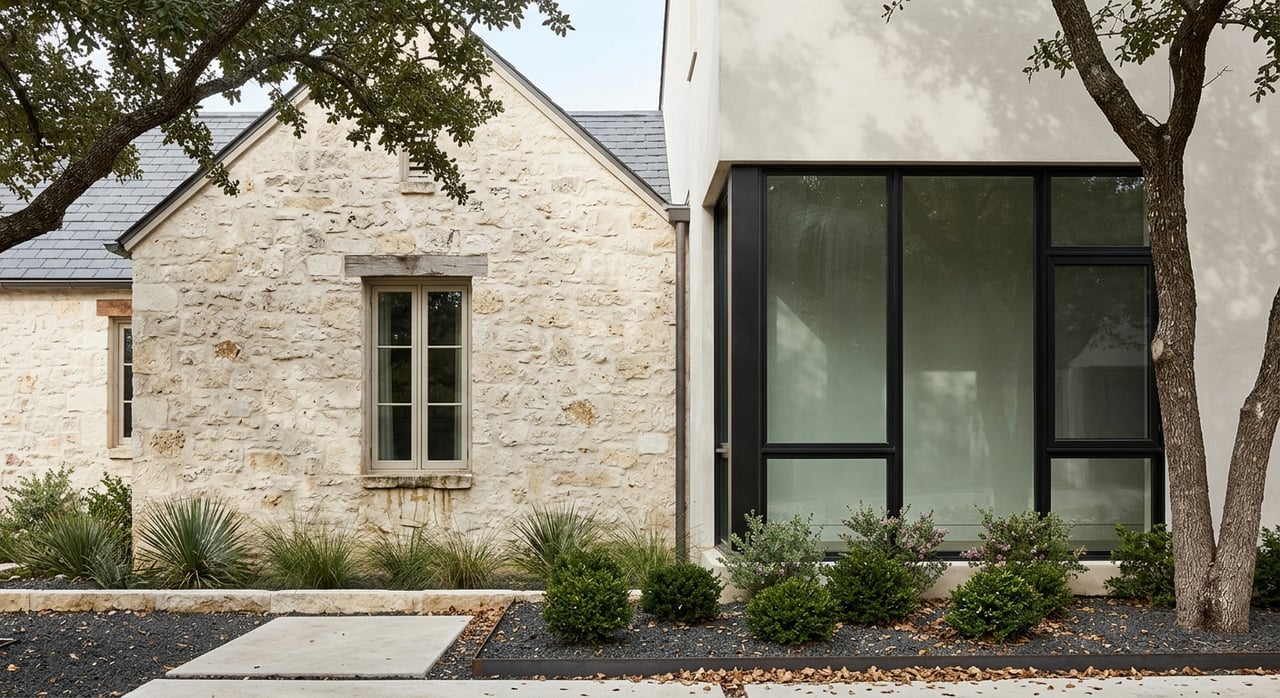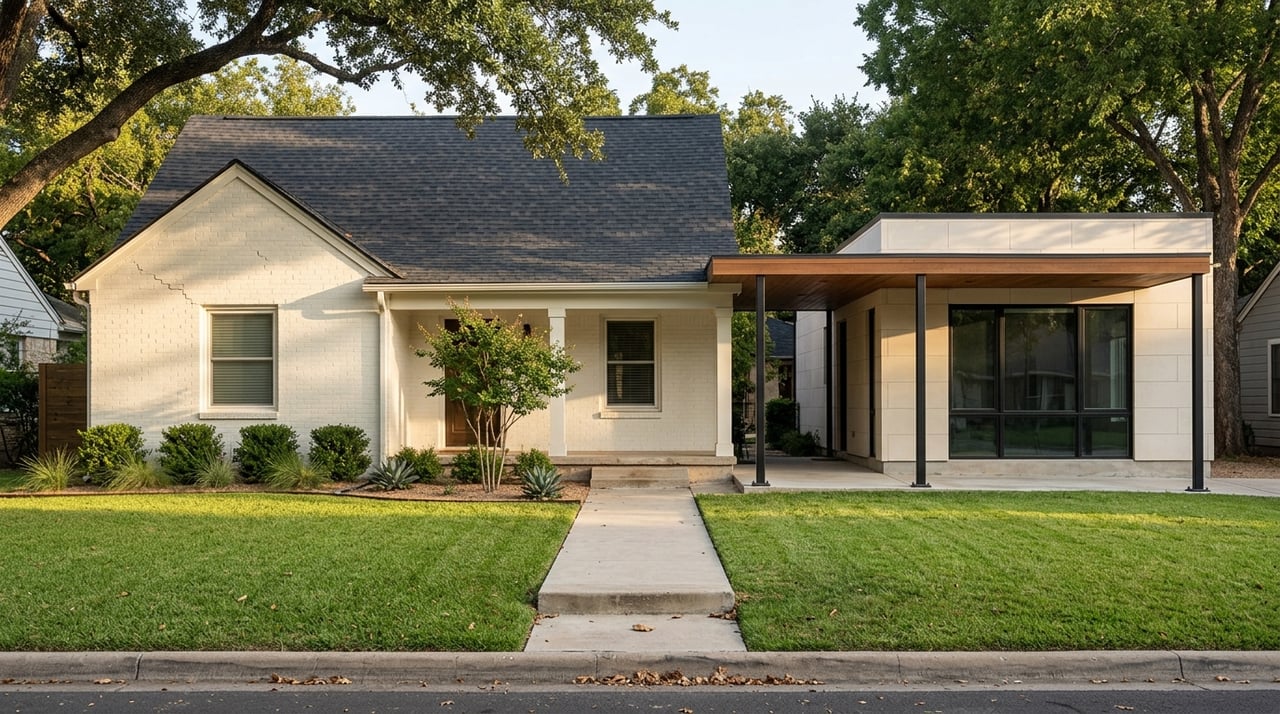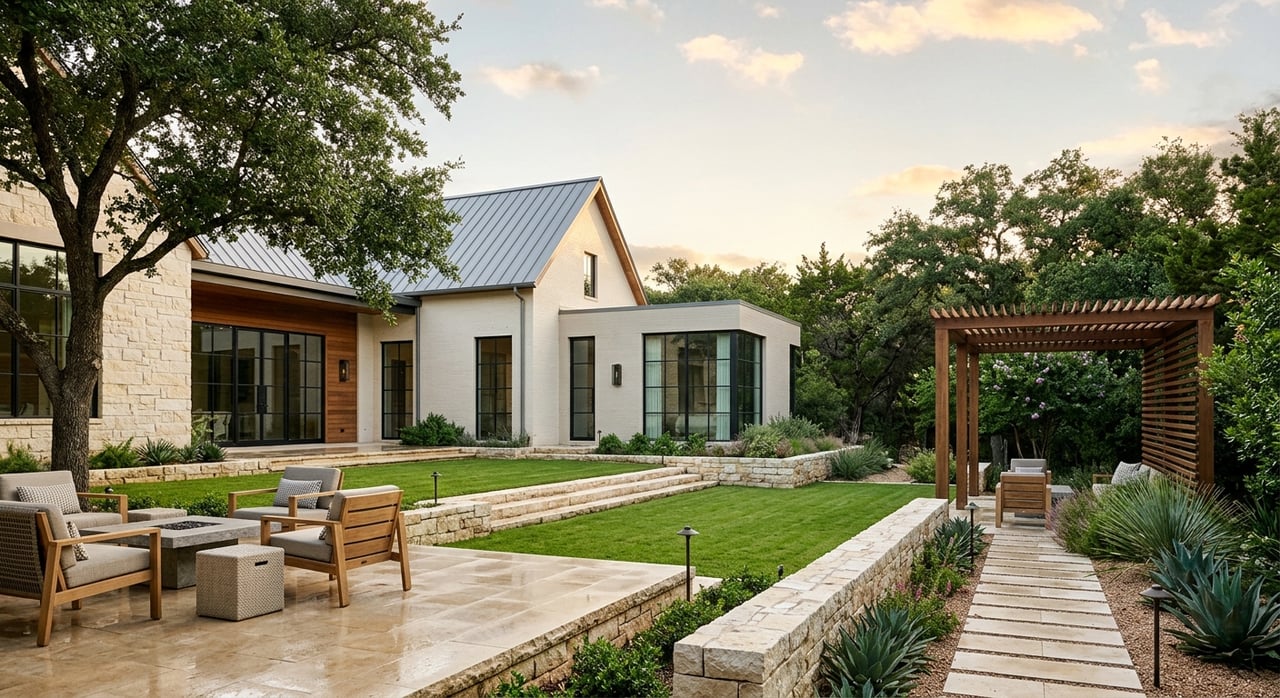
Choosing a lot in Belvedere is not as simple as picking your favorite view. When you are planning a custom home in a Hill Country community, the homesite shapes everything from your floor plan and pool placement to afternoon shade and approval timelines. If you want to make a smart decision before you build, this guide will help you understand what matters most in Belvedere and how to evaluate a lot with more confidence. Let’s dive in.
Why Belvedere draws custom-home buyers
Belvedere is positioned as a luxury Texas Hill Country community near Austin, Bee Cave, Lakeway, and Dripping Springs. According to the community, it includes 223 homesites ranging from 1 to 3 acres, along with an 80-acre nature preserve with trails.
The amenity package is a big part of the appeal. Belvedere highlights a lazy river pool, splash pad, fishing pond, sport court, children’s playspace, community center, and social events. The community also notes convenient access to parks, boating, fishing, hiking, sports fields, dining, shopping, wineries, downtown Austin, and the airport.
For buyers considering new construction, that setting creates opportunity, but it also raises the stakes. In a community where lot size, topography, trees, and outdoor living all matter, your lot choice can have a major effect on the home you are able to build.
Why lot selection matters first
In Belvedere, the value of a lot is not just about acreage or price. The community’s ACC plan review checklist shows that homesites are evaluated using plot plans, topography surveys, tree surveys, and drainage information.
That review also considers setbacks, easements, building lines, septic planning, and height or massing constraints. In practical terms, this means a lot’s buildable envelope matters more than its total size on paper.
A large lot can still feel limiting if key improvements do not fit comfortably within the approved building area. On the other hand, an irregular lot may still work well if the design team plans early and accounts for the rules from the start.
What to study on a Belvedere lot
Buildable envelope and setbacks
Before you fall in love with a homesite, ask how much usable space you really have after setbacks, easements, drainage needs, and building lines are accounted for. If you want a certain floor plan, garage orientation, pool, casita, or outdoor kitchen, the lot needs to support those features together.
This is where plat maps and site planning become important. A lot may look generous during a tour, but the real question is whether your must-haves fit comfortably once the formal review standards are applied.
Topography and drainage
Topography can shape both design and cost. Belvedere’s review process requires drainage information and topographic documentation, which tells you that slope and water movement are not minor details.
A lot with more grade change may create opportunities for views or architectural interest, but it can also affect siting, finished grade elevation, and how outdoor spaces connect to the house. Buyers should think about how the land will function, not just how it looks on first impression.
Trees and preserve adjacency
Trees are a meaningful part of the Belvedere setting, and the community has rules aimed at preserving trophy trees and reducing oak wilt risk. Tree work requires arborist review and ACC approval, and the provisions call for Best Management Practices and sterilized tools.
That matters if you are considering a lot with mature trees or one near the 80-acre preserve. These homesites may offer stronger privacy and a more natural Hill Country feel, but they may also require more thoughtful planning around placement, access, and tree preservation.
Lot orientation and sun exposure
Orientation plays a major role in Central Texas comfort. DOE guidance on passive solar design notes that south-facing windows tend to work best when they are within about 30 degrees of true south, while east- and west-facing glass can create more glare and unwanted summer heat.
For a Belvedere buyer, that translates into a practical lifestyle question. How will the lot handle morning light, afternoon sun, patio comfort, pool enjoyment, and interior heat over time?
Shading features such as overhangs, awnings, trellises, and landscaping can help with summer comfort. DOE guidance also notes that future trees or nearby development can affect solar access, so it is worth thinking beyond the current view and considering how the site may feel in a few years.
Outdoor living starts with the lot
In Belvedere, outdoor living is often a priority from day one. Many buyers want space for a covered terrace, pool, outdoor kitchen, fire feature, or generous yard area.
The lot you choose will shape how usable those spaces feel. A west-facing backyard may call for more shade planning, while tree placement and grade changes can affect how naturally a patio or pool integrates with the home.
Belvedere’s landscape policy adds another layer to this decision. If WTCPUA drought restrictions reach Stage 2 or higher, landscaping may be split into phases, with Phase 1 required before certificate of occupancy and Phase 2 completed later after notice.
That means you should think about timing as well as design. A lot may support a beautiful outdoor plan, but the finished look and feel may come together in stages depending on conditions and approvals.
Lighting rules affect nighttime use
Exterior lighting is another detail that can influence lot choice more than many buyers expect. Belvedere’s lighting policy is designed to preserve the natural sky and requires approval for new or materially changed outdoor lighting.
The policy calls for shielded fixtures, limits total lumens, and prohibits flood and spot lighting. If evening entertaining matters to you, it is wise to think early about how paths, terraces, entries, and pool areas will be lit within those standards.
A well-planned lot can still support an inviting nighttime atmosphere. The key is to plan for subtle, functional lighting rather than relying on dramatic uplighting or broad wash lighting later.
Builder selection matters as much as the lot
A strong lot can still become a frustrating project if the builder is not a good fit for Belvedere’s process. The community maintains an approved-builder list, and its 2024 criteria are selective.
Applicants must have at least 10 years of residential construction experience and must have been actively building $1 million-plus custom homes for the past five years as a principal builder. They also need a physical office, insurance, financial references, project history, supplier contacts, and other supporting materials.
Belvedere describes its ideal candidate as a highly referred builder averaging 4 to 8 homes under construction per year. For buyers, that tells you the builder is not just a vendor. The builder is an important part of the approval pathway and overall experience.
How Belvedere’s approval process affects your timeline
Belvedere’s construction environment is structured. Builders must post a $3,000 deposit before construction begins, work is limited to weekday and Saturday hours, Sunday work is not allowed, and major holidays are blacked out.
The ACC review process is also staged. Home preliminary, home final, pool, and landscape reviews each require checklists and digital plans, and the builder or contractor must be identified before final review.
This matters because custom building here is a coordinated process, not a one-step approval. The most successful projects usually begin with a team that can align the house, pool, landscape, and site plan early.
Questions to ask on a Belvedere lot tour
If you are comparing homesites, these questions can help you focus on what really matters:
- Can the lot comfortably fit your preferred floor plan after setbacks, easements, and drainage needs are considered?
- How will garage orientation affect curb appeal and day-to-day functionality?
- Is there a natural location for a pool, patio, or outdoor kitchen?
- How will the lot perform for morning light and afternoon heat?
- Are there mature trees that add privacy but may require more planning or approvals?
- Does the topography support the way you want indoor and outdoor spaces to connect?
- Are there lighting limitations that could change how you plan evening entertaining?
- Could a variance request be needed for any part of the design?
Belvedere’s ACC FAQ notes that selective variances may be granted for items such as location, height, number of improvements, and materials, but only upon request. That makes early planning especially valuable on irregular or more challenging lots.
A smarter way to evaluate lots
The best Belvedere lot is rarely the one that looks best in a quick drive-through. It is the lot that supports your goals, works with the approval framework, and gives your architect, builder, and landscape team room to create a cohesive result.
That is why comparing plats, reviewing buildability, and understanding the ACC process before you finalize a purchase can make such a difference. A thoughtful upfront approach can help you avoid redesigns, protect your timeline, and choose a homesite that truly fits the way you want to live.
If you are considering a custom home in Belvedere, working with a local advisor who understands lot selection, builder fit, and the approval path can save time and sharpen your decision-making. To plan your next steps, connect with Jana Birdwell.
FAQs
What makes lot selection in Belvedere different from buying a resale home?
- In Belvedere, you need to evaluate buildable envelope, setbacks, easements, topography, trees, drainage, and ACC requirements before you can judge whether a lot supports your home plans.
What should you review before choosing a Belvedere homesite?
- You should review plat maps, site constraints, orientation, tree conditions, drainage needs, and whether your desired house, pool, and outdoor living areas fit within the lot’s approved building area.
How does lot orientation affect a new construction home in Belvedere?
- Orientation can affect glare, summer heat, daylight, patio comfort, and pool use, with south-facing exposure often offering better passive solar performance than heavy east- or west-facing glass.
What tree rules should buyers know in Belvedere?
- Belvedere’s tree-management provisions aim to preserve trophy trees and reduce oak wilt risk, and tree work requires arborist review and ACC approval.
Why is builder selection so important for new construction in Belvedere?
- Belvedere uses an approved-builder system and a staged ACC review process, so the right builder helps manage approvals, site planning, and coordination with architects, pool designers, and landscape professionals.
Can a difficult or irregular lot still work in Belvedere?
- Yes, in some cases, because the ACC FAQ states that selective variances may be granted upon request for items such as location, height, number of improvements, and materials.