A second home on Lake Travis can be a dream, but it also comes with realities that are easy to overlook. If you are picturing easy weekends on the water, it helps to know that lake access, upkeep, taxes, and local rules all play a big role in ownership here. The good news is that with the right planning, you can buy with more confidence and fewer surprises. Let’s dive in.
Lake Travis ownership works differently
Owning a second home on Lake Travis is not quite the same as owning a typical vacation property. The lake is a water-supply reservoir managed to fluctuate, which means shoreline conditions and dock access can change over time.
LCRA describes Lake Travis as full at 681 feet above sea level. As of June 24, 2026, it was about 672.7 feet msl. For you as a buyer, that means the property’s value is not just about the view or the house itself. It is also about how the home functions when lake levels rise or fall.
Understand the seasonal rhythm
Summer is the peak use season
Lake Travis second homes often get the most use during boating season, family gatherings, and holiday weekends. That lines up with Central Texas weather, where Austin Camp Mabry’s 1991 to 2020 normals show average daily highs of 96.6°F in July and 97.8°F in August.
That heat helps explain why many owners treat a Lake Travis property as a warm-weather lifestyle home. In cooler months, the focus often shifts from recreation to maintenance, storage, and weatherproofing.
Boat access can change
Not every boat ramp works at every lake level. LCRA’s public ramp information shows that ramps around Lake Travis have different minimum usable elevations.
If boating matters to your lifestyle, you will want to verify current ramp conditions before assuming easy water access for a given weekend or season. This is especially important if you plan to host guests or use the property on a fixed schedule.
Budget beyond the purchase price
Property taxes may be higher than expected
Texas does not have a state property tax, but local taxing units set rates. For many second-home buyers, the general residence homestead exemption will not apply because Texas requires the home to be your principal residence.
That matters because a Lake Travis second home is often taxed at the full local burden. Depending on the address, that can include county, school district, city, and special district taxes. Before you buy, confirm the exact tax stack for the property.
Flood risk belongs in the analysis
Flood insurance should be part of your due diligence. FEMA states that flood insurance is required for properties in a Special Flood Hazard Area when the mortgage is federally backed, and most homeowners policies do not cover flood damage.
For a lake property, that is not a detail to leave until the last minute. You should understand early what may need separate coverage for the house, contents, dock, and detached improvements.
HOA and condo costs matter too
If the property is in an HOA or condo regime, your budget should also include dues, possible special assessments, and use restrictions. Those costs can affect your total ownership picture just as much as utilities or insurance.
They can also affect flexibility. In some areas, community rules may limit how the property can be used, including rental activity.
Maintenance is a major part of the plan
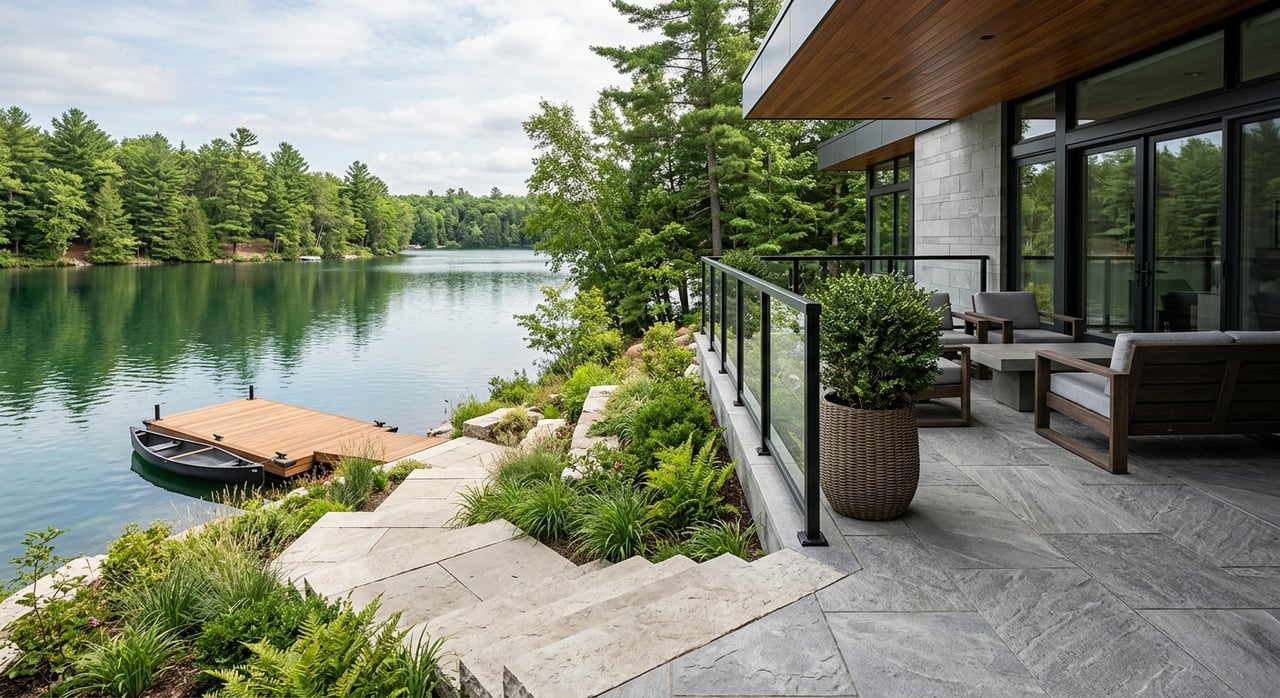
Docks need regular attention
Dock upkeep is one of the biggest ownership realities on Lake Travis. LCRA says there are more than 3,700 floating docks on lakes Travis and Buchanan, and floating docks face higher risk during floods.
For part-time owners, this can become a major operational issue. LCRA notes that hiring a qualified contractor is often the easiest way to maintain a boat dock, especially if you are not on site as conditions change.
Dock rules are worth reviewing early
LCRA says residential docks of 1,500 square feet or less do not require a permit or fees from LCRA, but they still must meet safety standards. On Lake Travis, docks may extend up to 100 feet from the shoreline, and the lake must still provide an additional 40 feet of access.
If you are buying a home with an existing dock or hoping to improve one later, these details matter. They can affect how the property works for your family and whether future plans are realistic.
Low lake levels can create more work
When Lake Travis is below 676 feet msl, LCRA allows certain lakebed-clearing activities under specified procedures. Low water can expose debris, vegetation, and areas around docks or retaining walls that need attention.
In other words, lower lake levels do not just affect recreation. They can also create extra cleanup and maintenance costs that part-time owners should budget for.
Septic and wastewater need careful review
For homes near Lake Travis, septic and wastewater systems deserve close attention during due diligence. LCRA regulates on-site sewage facilities within a 2,000-foot zone around Lake Travis, and a transfer-of-ownership inspection is required before LCRA will approve continued use by a new owner.
This is one of the most important practical checkpoints in a second-home purchase. If the system needs repairs, upgrades, or additional review, that can affect both timing and cost.
Permits and property improvements can be layered
If the property is outside city limits or in an ETJ, Travis County says development review may apply. Projects with access to a boat dock, pier, wharf, or marina along Lake Travis can also trigger county environmental review.
That means a simple improvement may not always be simple. If you are considering a remodel, shoreline work, outdoor upgrades, or changes tied to lake access, it is smart to verify the approval path before making assumptions.
In some nearby jurisdictions, landscaping rules may also reflect water conservation priorities. For example, Lakeway’s landscaping ordinance encourages native plants, mulch, rocks, artificial turf, and water-saving fixtures.
Renting the home is not automatic
Short-term rental rules vary by address
A common assumption is that a second home on Lake Travis can help offset costs through occasional rentals. In practice, that depends on the property’s exact location and its governing rules.
The Lake Travis area is a patchwork of city, county, and HOA restrictions. What works for one property may not work a few streets away, so projected rental income should always be verified before you rely on it.
Lakeway has specific STR requirements
Lakeway’s short-term rental materials show that no permit may be issued if deed restrictions or HOA rules prohibit STRs. The city also requires compliance with city ordinances, parking limits, truthful advertising, and tax reporting.
Lakeway also notes that its STR waiting list applies to single-family residential properties only, while condominium owners must contact Building & Development Services separately. That is a good example of why broad assumptions rarely work in this market.
Hotel occupancy tax may apply
If you rent the property for stays of 29 days or less, Texas applies state hotel occupancy tax to those short-term rentals. The Texas Comptroller also says property management companies or booking platforms may collect the tax, but owners still need to verify local filing requirements.
In Lakeway, the city collects a 7% hotel occupancy tax from area hotels, motels, and short-term rental properties on a quarterly basis. If rental use is part of your strategy, this needs to be part of your underwriting from day one.
Smart questions to ask before buying
A Lake Travis second home is not just a lifestyle purchase. It is an operating plan, and the strongest buyers treat it that way from the start.
Before you move forward, it helps to ask questions like these:
- Will this property be taxed as a true second home at full local rates?
- Which taxing units and special districts apply to this address?
- Is flood insurance required, and what should be covered separately?
- Does the home use septic or another on-site sewage facility that requires inspection or repair?
- Are there dock, lakebed, or shoreline rules that affect current or future use?
- If you want occasional rental income, do city rules, deed restrictions, or HOA rules allow it?
The more clearly you answer these questions before making an offer, the more confident your decision will be.
Why local guidance matters
On Lake Travis, two homes with similar views can have very different ownership realities. Differences in dock setup, tax burden, wastewater systems, rental rules, and jurisdiction can change the long-term value and ease of ownership.
That is why second-home buyers benefit from advice that goes beyond the surface features of the property. A strategic purchase here means understanding not just the home, but also how the property will live, perform, and be maintained over time.
If you are considering a second home on Lake Travis and want a discreet, well-informed approach, Jana Birdwell can help you evaluate the details that matter most and identify the right fit for your lifestyle and goals.
FAQs
What makes owning a second home on Lake Travis different from owning a typical vacation home?
- Lake Travis is a fluctuating water-supply reservoir, so lake levels can affect dock access, shoreline conditions, maintenance needs, and how the property functions throughout the year.
What should you budget for with a Lake Travis second home?
- In addition to the purchase price, you should budget for full local property taxes, insurance, dock upkeep, septic or wastewater needs, HOA dues if applicable, and possible maintenance tied to changing lake levels.
What should you know about docks on Lake Travis before buying?
- Docks may need regular upkeep, must meet LCRA safety standards, and can be affected by flood risk, lake-level changes, and access rules tied to shoreline and lake use.
What should you check about septic systems near Lake Travis?
- If the home uses an on-site sewage facility within LCRA’s regulated zone, a transfer-of-ownership inspection is required before continued use can be approved for the new owner.
Can you use a Lake Travis second home as a short-term rental?
- Possibly, but you should never assume it is allowed because city rules, HOA restrictions, deed restrictions, and property type can all affect whether short-term rental use is permitted.
Do you pay hotel occupancy tax on a Lake Travis short-term rental?
- Yes, Texas applies hotel occupancy tax to rentals of 29 days or less, and some cities such as Lakeway also collect local hotel occupancy tax.