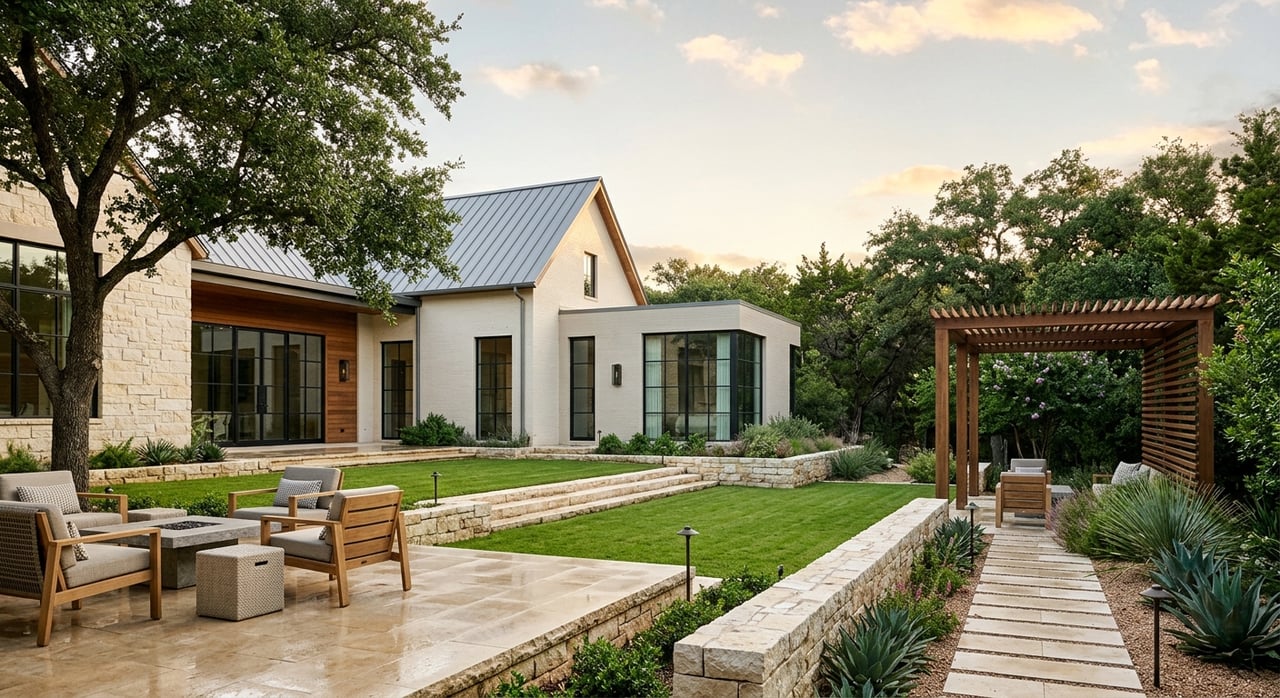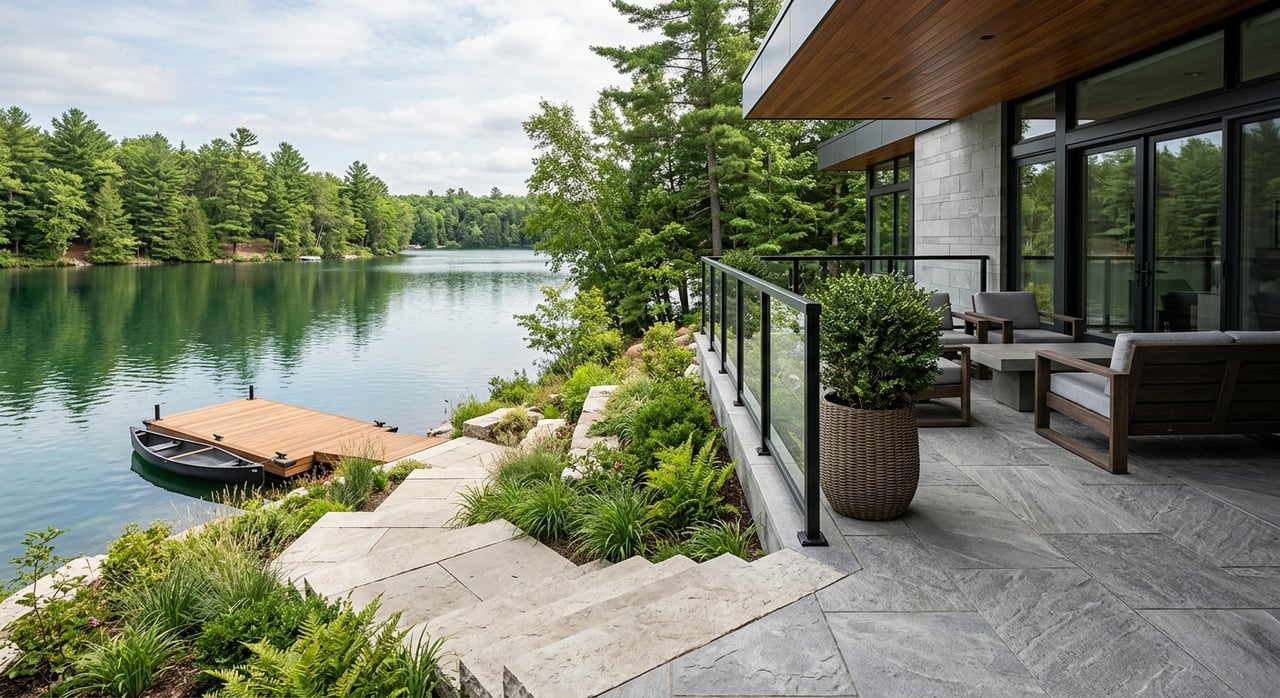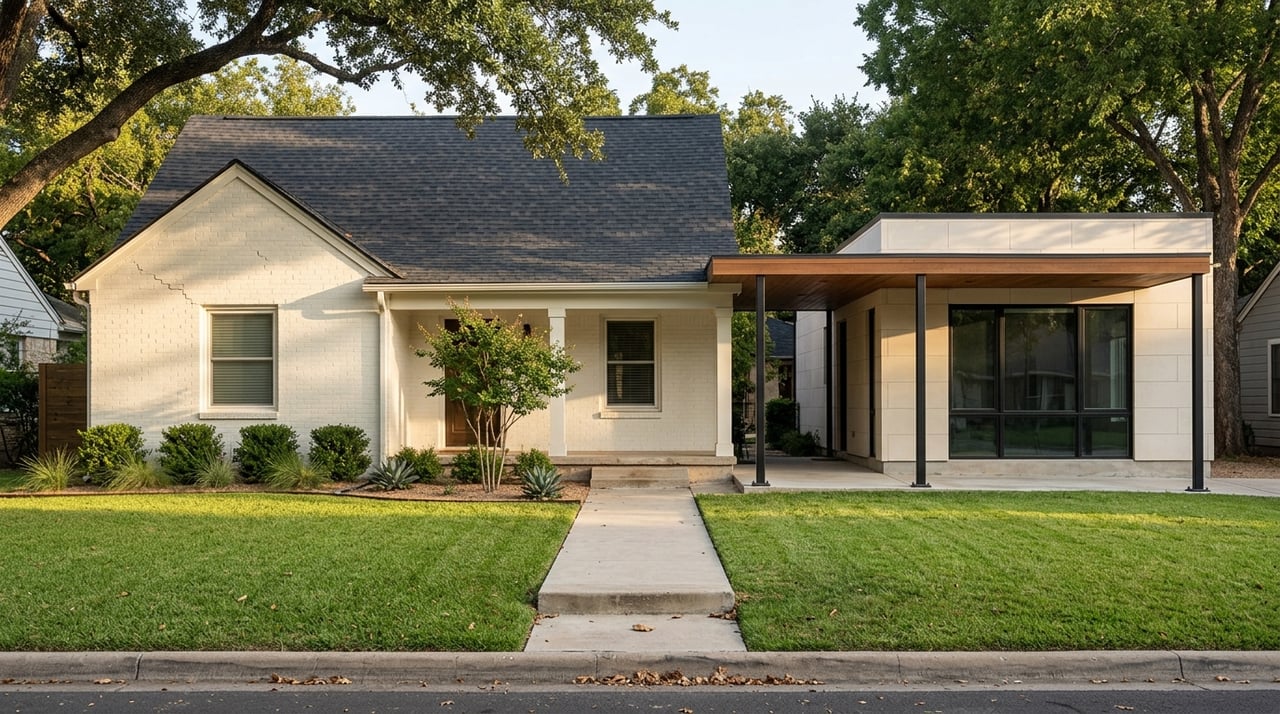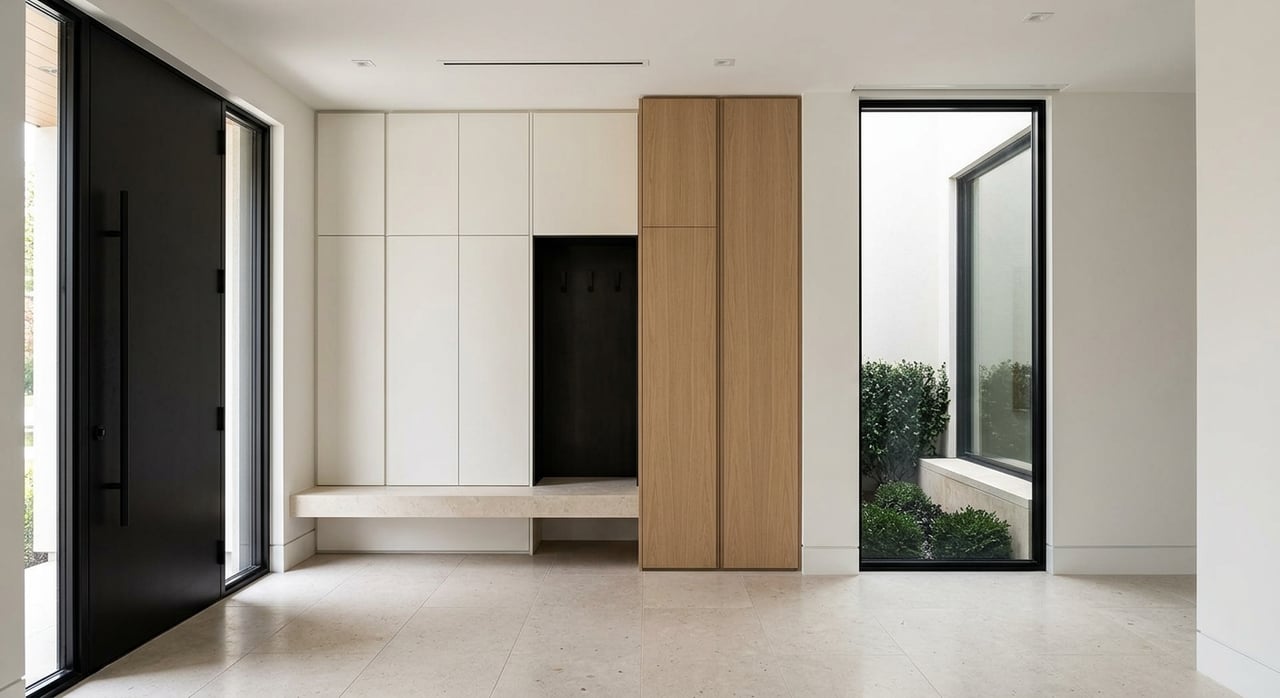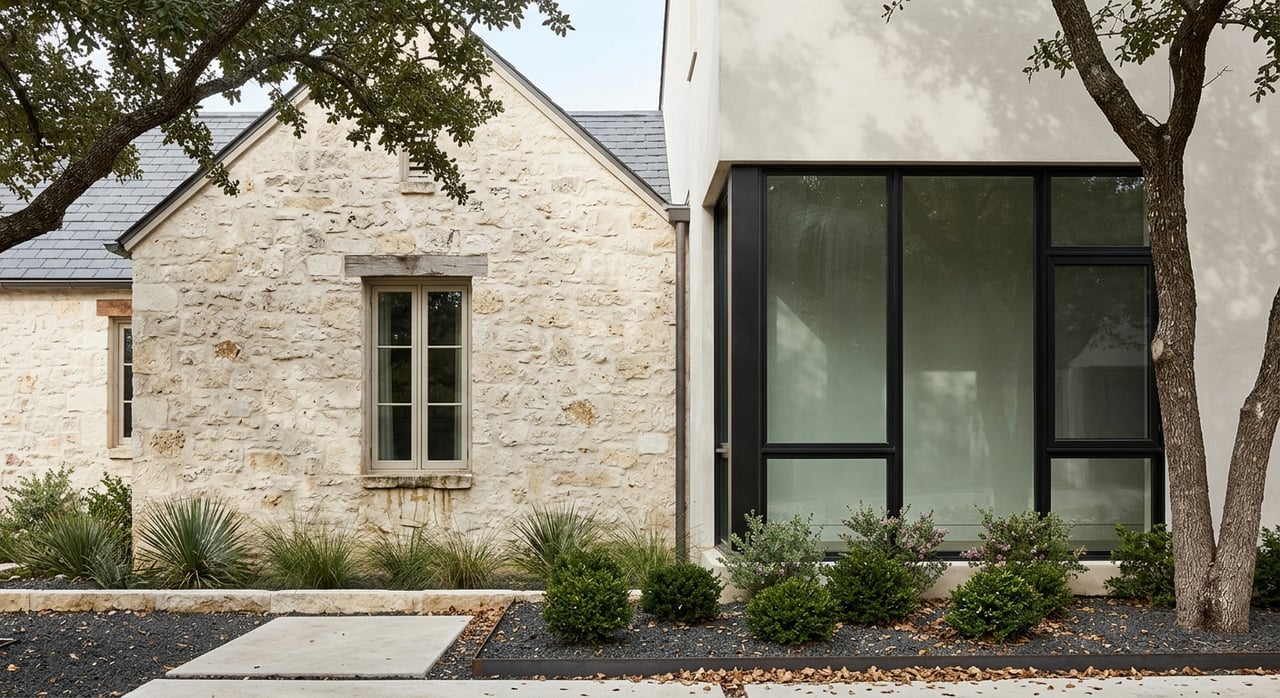
If you own a home in Tarrytown, the question is rarely as simple as keep it or knock it down. In this part of Austin, one street can have intact older homes, thoughtfully updated properties, and brand-new construction all within a few blocks. That can make the decision feel high-stakes, especially when you are balancing property value, design goals, and city rules. This guide will help you think through what really drives a preserve-versus-rebuild strategy in Tarrytown, and how to evaluate your next move with more clarity. Let’s dive in.
Why Tarrytown Is a Case-by-Case Decision
Tarrytown developed over several decades, and that shows in the housing stock. City planning materials describe an eclectic mix of mostly one- to two-story single-family homes, along with some duplexes and multifamily pockets near Enfield Road and Pecos. In practical terms, that means there is no one-size-fits-all answer for owners deciding whether to renovate or start over.
The lots and streets also shape the decision. Tarrytown includes small hills, sloping sites, a mix of grid and winding streets, no alleys, and many streets without sidewalks because the area was built before sidewalks were required. Those details matter because access, slope, drainage, and site layout can affect the cost and feasibility of both additions and full rebuilds.
Start With the Rules, Not the Renderings
Before you spend too much time on design ideas, verify what the parcel can support. In Austin, zoning affects more than use. It also regulates site standards such as height, setbacks, and impervious cover.
That is especially important in Tarrytown, where a property may also be shaped by neighborhood plan considerations. The City of Austin notes that if a zoning request would amend an adopted neighborhood plan or its Future Land Use Map, a neighborhood plan amendment process is required. For some owners, that can change the timeline and complexity of a project.
Historic review is a separate layer. Austin’s preservation rules state that the Historic Landmark Commission reviews proposed exterior changes to historic properties, along with demolitions and relocations of buildings that are at least 45 years old and may be eligible for landmark designation. So even if a tear-down looks financially attractive, you should not assume it is straightforward until the parcel’s historic status has been checked.
The First Three Checks to Make
Before choosing a preserve or rebuild path, focus on three property-specific checks:
- Confirm zoning and review any neighborhood-plan or Future Land Use Map implications.
- Check historic status using the city’s preservation resources to see whether the property has landmark, district, or survey relevance.
- Assess physical site constraints such as slope, tree canopy, driveway placement, and overall access.
These early checks can save time and sharpen your options. They also help you avoid making assumptions based on nearby homes that may sit under different conditions or review standards.
When Preservation Usually Makes More Sense
Preservation often makes sense when a home still carries strong original character and fits the rhythm of the street. In Tarrytown, that can be especially valuable because buyers often respond to homes that feel rooted in the neighborhood rather than detached from it. If the structure still has its massing, presence, and recognizable design language, thoughtful renovation may preserve both charm and market appeal.
Age can matter too. Austin’s landmark criteria focus on age, integrity, and significance, and city survey materials note that older buildings can be identified as potential historic resources even when they are not automatically designated. That does not mean every older home should be preserved, but it does mean age alone should prompt a closer look before demolition plans move ahead.
Site conditions can also push the strategy toward renovation. On a sloping lot with mature trees and limited construction access, a major rebuild may be more disruptive and more expensive than it first appears. In those cases, modernizing the existing home while respecting the lot’s constraints can be the cleaner path.
Signs a Preserve Strategy May Fit
- The home retains original character or clear period features.
- The existing scale fits the street and lot well.
- The parcel has slope, trees, or access issues that complicate new construction.
- The home may have historic or survey interest.
- Functional updates could solve most of the home’s shortcomings.
When a Tear-Down May Be the Better Play
A tear-down becomes more compelling when the current structure has lost integrity through heavy alteration or when renovation would still leave you with a compromised result. Some homes simply do not adapt well to modern expectations, especially in a premium price range where buyers may want a more efficient layout, stronger indoor-outdoor flow, or better site use.
In Tarrytown, a new build can also make sense when current zoning and site rules support a materially better home than what exists today. That might include a more practical floor plan, improved orientation on the lot, or a design that better captures how today’s buyers live. But again, that only works if the parcel clears zoning and historic review hurdles.
The neighborhood context matters here too. The Central West Austin planning materials record community concern about some newer development producing larger homes, more impervious cover, loss of large trees, and architecture that conflicts with surrounding homes. So a successful rebuild strategy in Tarrytown is not just about building bigger. It is about designing smarter with attention to scale, drainage, and tree preservation.
Signs a Rebuild Strategy May Fit
- The structure is heavily compromised or inefficient to renovate.
- The layout no longer meets expectations for the local price tier.
- Current rules support a significantly better end product.
- The parcel does not face historic protection or similar review constraints.
- The lot has strong value as a custom-home site.
What the Current Market Suggests
In 2026, Tarrytown remains a premium submarket even as broader conditions have softened. Realtor.com’s April 2026 neighborhood snapshot reports a median for-sale price of about $1.87 million, around 59 active listings, and a median 39 days on market. That same snapshot also shows a three-year decline in median listing price and a year-over-year decline, which suggests some pricing pressure compared with prior peaks.
Austin-wide figures remain well below Tarrytown levels. Zillow reported an Austin median list price of $566,333 as of April 30, 2026, with homes going pending in about 36 days, and an average home value of $511,264. The metrics are not identical, but the gap is clear: Tarrytown operates in a much higher price band than the city overall.
For you as an owner, the takeaway is not that one strategy always wins. It is that both preservation and replacement can still work in this market. The better question is which version of your property tells the stronger buyer story.
The Buyer Story Matters
Some buyers are drawn to an intact older home with neighborhood character, especially if the home has been updated in the right places. Others are searching for a custom lot opportunity or a newly built home that offers modern planning and finishes. Tarrytown appears to support both, as current listing examples include a custom-built single-story home completed in 2025 and another property marketed primarily as a lot for new construction.
That split matters when pricing and positioning a property. If your home is best suited for preservation-minded buyers, your strategy should emphasize character, livability, and fit within the streetscape. If the lot is the main value driver, the marketing approach may look very different and speak more directly to custom-home buyers or builders.
A Practical Framework for Owners
If you are weighing this decision now, use a simple framework to organize it.
Choose Preserve or Renovate If
- The house still has strong architectural character.
- Most of the home’s weaknesses are functional, not structural.
- The lot’s slope, trees, or access make a rebuild harder.
- Historic review could become a factor.
- The home already fits the scale of the street.
Choose Tear-Down or New Build If
- Renovation would be inefficient or leave major compromises.
- The current house underuses the lot under existing rules.
- The buyer pool is more likely to value a new custom home.
- There are no major historic or review barriers.
- A well-designed new home could materially improve the asset.
Why Local Strategy Matters in Tarrytown
Tarrytown rewards nuance. A home that looks like an obvious tear-down from the curb may have preservation appeal once you evaluate its character, street presence, and constraints. On the other hand, a house that seems worth saving may prove to be functionally obsolete compared with what the lot can support.
That is why this decision works best as a parcel-by-parcel strategy, not a neighborhood-wide assumption. In a market like Tarrytown, the best outcome usually comes from matching the property’s physical realities, regulatory path, and likely buyer demand into one clear plan.
If you are considering whether to preserve, renovate, sell as-is, or position a property for new construction in Tarrytown, a private strategy conversation can help you sort through the tradeoffs and identify the strongest path forward. To discuss your options with a discreet, data-informed local advisor, connect with Jana Birdwell.
FAQs
How do Austin zoning rules affect a Tarrytown tear-down decision?
- Austin zoning can regulate height, setbacks, impervious cover, and other site standards, so zoning may limit what a new build can look like even if demolition is allowed.
How does historic review affect older Tarrytown homes?
- In Austin, demolitions and relocations of buildings that are 45 years old or older and may be eligible for landmark designation can be reviewed by the Historic Landmark Commission.
Why is preserving a Tarrytown home sometimes better than rebuilding?
- Preservation may be the better path when a home keeps strong original character, fits the street well, and sits on a lot where slope, trees, or access make new construction more difficult.
When does a new build make more sense for a Tarrytown property?
- A new build often makes more sense when the existing structure is heavily altered, functionally outdated, and the parcel can support a materially better home under current rules.
What does the 2026 Tarrytown market mean for preserve-versus-rebuild strategy?
- The market suggests Tarrytown remains a premium neighborhood, so the choice is often less about whether the property can attract demand and more about which version of the asset will appeal to the strongest buyer pool.