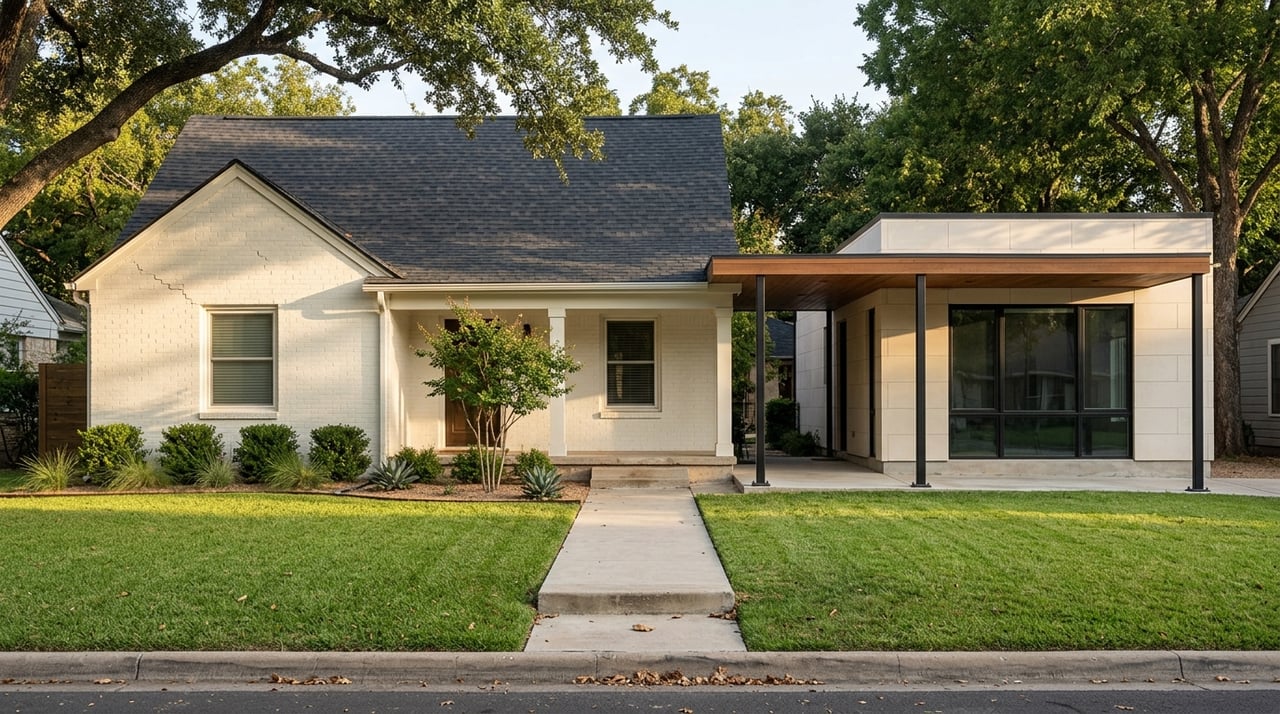
You spot the right home in Bryker Woods, but your current house has not sold yet. Do you wait and risk losing it, or move now and figure out the timing later? If you are a move-up buyer in Central Austin, that tension is real. In this guide, you will learn how a bridge loan can help you buy first, what it costs, the risks to watch, and the alternatives to compare. Let’s dive in.
What is a bridge loan?
A bridge loan is short-term financing that lets you access equity from your current home to buy your next one before you sell. Many products are interest-only for a few months up to a year, with the principal paid off when your old home sells or when you refinance. Lenders usually secure the loan with your existing property and expect solid equity.
A bridge loan can help you make a strong, non-contingent offer, which is often important in established, central neighborhoods.
Why Bryker Woods buyers use them
Bryker Woods is a centrally located Austin neighborhood near downtown and UT Austin. Homes here are known for walkability, older bungalow inventory, and limited lot sizes. These factors can create lower supply and faster decisions for well-priced listings.
When desirable homes move quickly, sellers may prefer buyers who do not need to sell first. A bridge loan can remove that sale contingency so you can compete on timing and terms while you prepare your current home for market.
Costs and repayment
Bridge loans typically come with a higher interest rate than a standard mortgage because they are short term and carry more risk for the lender. You may see origination, appraisal, and legal or document fees. Many products require interest-only payments during the term, with the principal due at your sale or refinance.
Most lenders expect significant equity in your current home since it is the usual collateral. Your payment plan and payoff schedule should be clear before you make an offer on the new property.
Eligibility and timing
Equity and credit
Many lenders want 20 to 30 percent or more in usable equity in your current home. You will also be underwritten on credit score and debt-to-income, often considering the combined housing burden while you carry both properties. Expect an appraisal or broker price opinion to establish value and equity.
Approval timeline
Get pre-approval early if you want to write non-contingent offers. Underwriting and appraisal can take several days to a few weeks depending on the lender. Your lender, title company, and real estate agent should coordinate the bridge funding, the new purchase mortgage, and the eventual sale payoff so the timing lines up.
Step-by-step checklist
- Get a value estimate and confirm equity for your current home using recent comparable sales and your latest tax appraisal.
- Speak with lenders that offer bridge loans and request sample terms, costs, and payoff mechanics.
- Obtain pre-approval for your new permanent mortgage in addition to any bridge loan approval.
- Run cash-flow scenarios that include interest on the bridge, possible overlap of two mortgages, taxes, insurance, and utilities until your sale closes.
- Build a back-up plan if your home takes longer to sell, such as extension options, converting to a longer-term loan, or setting aside emergency reserves.
- Work with your listing agent on pricing, preparation, and marketing to reduce days on market and minimize carry time.
- Confirm title, liens, and any HOA or local restrictions that could affect your sale timeline.
Alternatives to consider
- HELOC: A home equity line of credit on your current home. It is often lower cost than a bridge loan, but the line amount and how you use it can affect your ability to qualify for your next mortgage.
- Cash-out refinance: Refinance to pull equity for your down payment. This can reset your rate and term and may affect debt-to-income for the new purchase.
- Sale contingency: Make your offer contingent on selling your current home. This can be less competitive in fast-moving areas.
- Rent-back or post-closing occupancy: Sell first, then negotiate to stay in the home for a defined period after closing. This requires buyer cooperation and clear terms.
- Lender move-up products: Some lenders offer short-term financing that rolls into your new mortgage. Ask about structure and costs.
- Personal lines or family funds: Possible, but each option carries distinct risks and repayment rules.
When comparing, look at total cost for the expected months you will carry both properties, the speed you need to close, and the impact on your ability to qualify for the new mortgage.
Key risks in Texas
Bridge loans carry meaningful risk. You may face double housing payments if your sale takes longer than planned. Interest rates and fees are higher than standard mortgages. If your home does not sell on schedule, you may need to extend or refinance, which increases cost and complexity.
Texas has distinct homestead protections and home equity rules that shape how lenders can secure short-term financing on a primary residence. Because these rules are specific, consult a local lender or real estate attorney to understand how your bridge loan will be structured in Texas. Title and closing practices also vary by state, so confirm how simultaneous or staggered closings will be handled and how sale proceeds will pay off the bridge.
Tax treatment depends on how the funds are used and current IRS rules on mortgage interest. Speak with a tax advisor about deductibility and sale proceeds.
Local scenarios to weigh
- Buyer A has substantial equity and needs to act quickly on a rare listing in Bryker Woods. A bridge loan may allow a non-contingent offer and a seamless move, provided carrying costs are acceptable and the sale plan for the current home is tight.
- Buyer B has limited equity or tighter cash reserves. A HELOC, sale contingency, or a sell-then-buy path with a rent-back could reduce risk even if it takes more coordination.
Use your equity position, cash reserves, and risk tolerance as the decision drivers, not just speed.
Coordination tips for closings
- Align your list date, offer strategy, and buyer concessions to shorten time-to-contract on your sale.
- Confirm payoff instructions with the title company and your bridge lender well before closing.
- Keep your permanent mortgage lender in the loop so income, assets, and liabilities are documented for both loans.
- Set calendar reminders for any bridge loan maturity or extension dates.
Next steps
If you are considering a bridge loan in Bryker Woods, start early. Get realistic values for both properties, speak with lenders about structure and timing, and run scenarios that include the possibility of a longer sale timeline. Then map a precise plan for preparing, pricing, and launching your current home to market.
When you are ready for a private, strategic conversation about timing, financing options, and listing preparation in Central Austin, connect with Jana Birdwell to align the steps and protect your upside.
FAQs
What is a bridge loan for move-up buyers?
- A short-term loan that lets you use equity from your current home to buy your next one before you sell, often repaid when your old home closes.
How long do bridge loans typically last?
- Many run 3 to 12 months depending on the lender and product terms.
Can a bridge loan help me make a non-contingent offer?
- Yes. Removing the sale contingency is a primary reason buyers use bridge financing, subject to qualification.
How much equity do I usually need for a bridge loan?
- Many lenders expect substantial equity, often 20 to 30 percent or more, though requirements vary.
What happens if my home does not sell before the bridge loan matures?
- You may extend or refinance the bridge, convert to a term loan, or cover payments from reserves. Each option increases cost and risk.
Are bridge loans cheaper than a HELOC?
- Not usually. Bridge loans tend to have higher rates and fees, but they can offer speed and flexibility in competitive markets.
Are there Texas-specific rules that affect bridge loans?
- Yes. Texas homestead and home equity rules influence how these loans are secured and closed. Consult a local lender or attorney for guidance.