Thinking about a Hill Country escape that can also earn income? If Dripping Springs is on your radar, you’re not alone. Many buyers are eyeing this Hays County gem for its scenery, wineries, and steady wedding traffic. In this guide, you’ll learn what drives demand, how local rules work, what to model financially, and the due diligence steps that protect your investment. Let’s dive in.
Why Dripping Springs attracts guests
Dripping Springs sits in the Texas Hill Country, west of Austin, with typical drive times of about 25 to 40 minutes depending on traffic and starting point. That close-in location gives you access to Austin events and business travel while offering a quieter stay. Guests often choose the area for a calm setting with easy access to city life.
The local experience economy is a key driver. Visitors come for Hill Country scenery, wineries and tasting rooms, and a busy wedding and event calendar. Outdoor recreation, seasonal festivals, and holiday weekends also support bookings.
Seasonality matters. Spring and fall, along with peak wedding months, often see the strongest demand. Summer and winter can vary based on weather and event schedules, so factor that into your revenue planning.
Regulations that shape returns
City vs. county rules
Local regulation is one of the biggest factors for short-term rentals. Rules can differ between the City of Dripping Springs and unincorporated areas of Hays County. Confirm whether permits or registration are required, plus any occupancy, parking, or inspection standards that apply to your property’s address.
HOA covenants and minimum stays
If the property is in an HOA, review CCRs before you buy. Some HOAs restrict rentals under 30 days or require board approval. HOA limits can override your business plan, so get clarity early.
Taxes, insurance, and safety
Short-term stays are commonly subject to hotel occupancy taxes and sales or use tax in Texas. Confirm rates and how to register or remit. Many homeowner policies exclude commercial rental activity, so you will likely need a specific STR policy or endorsement. Safety compliance matters too. Expect requirements such as smoke detectors, fire extinguishers, egress, and clear occupancy guidance.
Revenue and cost fundamentals
Core performance metrics
- Occupancy rate: the percent of nights booked per year.
- Average Daily Rate (ADR): your average price per booked night.
- RevPAR: ADR multiplied by occupancy; a quick revenue per available night metric.
- Gross revenue: ADR multiplied by total occupied nights.
- Net operating income (NOI): gross revenue minus operating expenses.
- Cap rate: NOI divided by purchase price.
- Cash-on-cash return: annual pre-tax cash flow divided by equity invested.
- Break-even occupancy: (fixed annual costs + debt service) / (ADR − variable cost per night).
What moves the revenue needle
- Property type and amenities: pools, hot tubs, outdoor kitchens, fire pits, views, and acreage can boost ADR.
- Bedroom and bathroom count: more sleeping flexibility supports higher nightly rates for groups.
- Listing quality: professional photos, strong copy, and fast host responses improve conversions.
- Dynamic pricing: tools that adjust nightly rates to seasonality and events help capture demand spikes.
Costs to model conservatively
- Management fees for full-service operators often range from 15 to 30 percent of rental revenue.
- Cleaning and turnover costs vary by size and complexity; set cleaning fees to match actual costs.
- Utilities and services: electricity, water, internet, streaming, trash, pest control, and pool care.
- Maintenance and supplies: routine upkeep, linens, consumables, and replacements.
- Insurance and property taxes: expect STR-specific coverage and Hays County property tax assessments.
- Permitting and inspections: include any city registration and safety checks.
- Platform and processing: marketplace and payment fees.
- Reserves: set aside funds for vacancy and capital expenditures.
Property types that perform
Scenic acreage and outdoor living
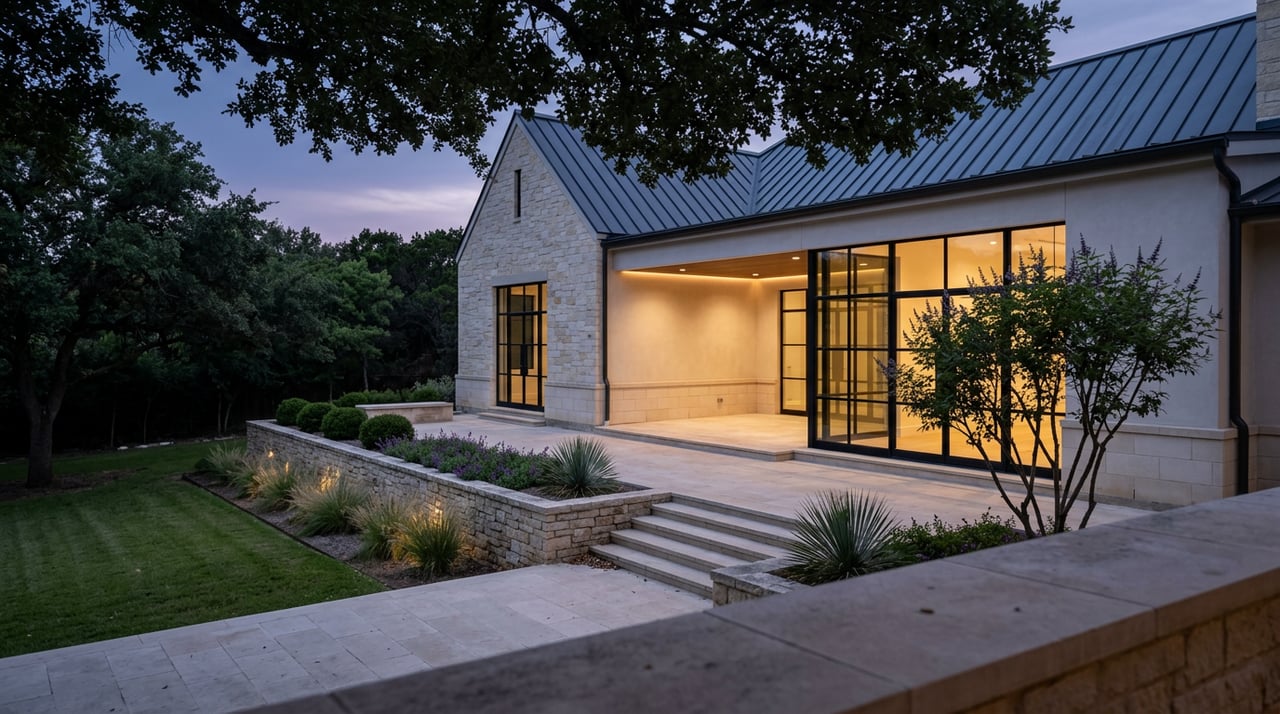
Rural or view-oriented properties with outdoor amenities tend to stand out in the Hill Country. Guests look for gathering space, fire pits, covered patios, and simple recreation options. Thoughtful lighting and landscape design can help listings perform better in photos and in person.
Near venues and downtown spots
Homes near wedding venues or downtown Dripping Springs attractions often capture event-driven demand. Simple access and reliable parking make group stays easier to book. Updated interiors and professional staging help maximize appeal.
Unique stays when allowed
Unique experiences such as cabins, tiny homes, or glamping setups can support premium ADR if permitted. Always confirm zoning, building code, and fire safety rules before you invest in nontraditional formats.
Operational realities and guest experience
Parking plans, quiet hours, and clear house rules protect your relationship with neighbors. Keyless entry and remote check-in reduce friction and help late arrivals. In rural pockets, cleaning logistics can be more complex, so build in time and budget for turnover.
Risks to plan for
Market and regulatory shifts
A quick rise in local supply can pressure occupancy and ADR. Cities can also revise STR rules, add caps, or change permit requirements. Conservative underwriting and a backup plan help you adapt.
Operations and community relations
Noise complaints or parking conflicts can lead to enforcement issues. Proactive communication with neighbors and clear guest guidelines reduce risk.
Safety and liability
Pools, animals, and terrain increase liability. Ensure proper safety equipment and insurance coverage that matches actual use and amenities.
Due diligence checklist
- Confirm zoning and STR allowance with the City of Dripping Springs if the property is within city limits.
- Ask Hays County about rules for properties in unincorporated areas.
- Obtain HOA CCRs and confirm minimum rental periods or any prohibitions on STR.
- Verify hotel occupancy and sales tax obligations and how to register and remit.
- Get quotes from insurance providers who write STR policies or endorsements.
- Speak with at least two local STR property managers for realistic expense and occupancy assumptions.
- Pull market metrics such as occupancy, ADR, RevPAR, and seasonality from STR data providers.
- Review Hays County appraisal records to forecast property taxes.
- Request historical performance data from comparable STRs when available.
- Consult an attorney or experienced local manager to confirm current rules before you list.
A simple framework to underwrite a deal
- Identify a target comp set: match bedroom count, location, and amenities typical of Dripping Springs STRs.
- Gather performance inputs: occupancy and ADR by season from a trusted STR data provider.
- Forecast revenue: start with a conservative scenario and a moderate scenario, then average for planning.
- Build your expense model:
- Management fees, cleaning turnover, utilities, maintenance, supplies.
- Insurance, property taxes, permits, inspections, platform fees.
- Reserve 10 to 20 percent of revenue for capital expenditures and surprises.
- Add financing: apply down payment, rate, and amortization to calculate annual debt service.
- Compute returns: NOI, cap rate, and cash-on-cash. Check break-even occupancy against realistic seasonality.
- Stress test: reduce ADR or occupancy and confirm the deal still meets your goals.
How we guide your STR decision
A short-term rental in Dripping Springs can be a smart lifestyle and investment blend when you approach it with clear data and local context. You need zoning clarity, realistic revenue and expense assumptions, and a property that stands out in the Hill Country set. That is where seasoned, place-based guidance makes a difference.
With deep Hill Country expertise and a finance-forward approach, we help you source the right homes, review CCRs, understand city and county paths, and connect with trusted local professionals for insurance, tax, and management. We also access select on and off-market opportunities that fit the STR profile, privacy needs, and long-term resale considerations.
If you’re exploring a Dripping Springs STR, request a Private Consultation with Jana Birdwell. We will pressure-test the numbers, align on strategy, and position you for a confident purchase.
FAQs
Are short-term rentals allowed in Dripping Springs city limits?
- Rules depend on address and zoning, and may include permits, occupancy limits, parking, and safety standards, so confirm with the City of Dripping Springs before you buy or list.
What taxes apply to short-term rentals in Hays County and Dripping Springs?
- Short stays commonly trigger hotel occupancy tax and sales or use tax in Texas, so verify rates and registration requirements and confirm who remits if you use a booking platform.
How seasonal is STR demand in Dripping Springs, Texas?
- Demand often peaks in spring and fall, along with wedding months, while summer and winter vary based on weather and events, so plan pricing and reserves with seasonality in mind.
Which amenities boost nightly rates in Hill Country STRs?
- Outdoor living features such as hot tubs, pools, fire pits, covered patios, and strong gathering spaces often support higher ADR, especially when paired with great photos and fast host responses.
How do HOAs affect operating a short-term rental near Dripping Springs?
- HOA covenants can prohibit or restrict stays under 30 days or require approvals, so review CCRs and get written confirmation before committing to a purchase.
What financing and insurance issues should I expect for an STR purchase?
- Lenders and insurers treat STRs as commercial use, so expect underwriting based on rental income assumptions and the need for an STR-specific insurance policy or endorsement.