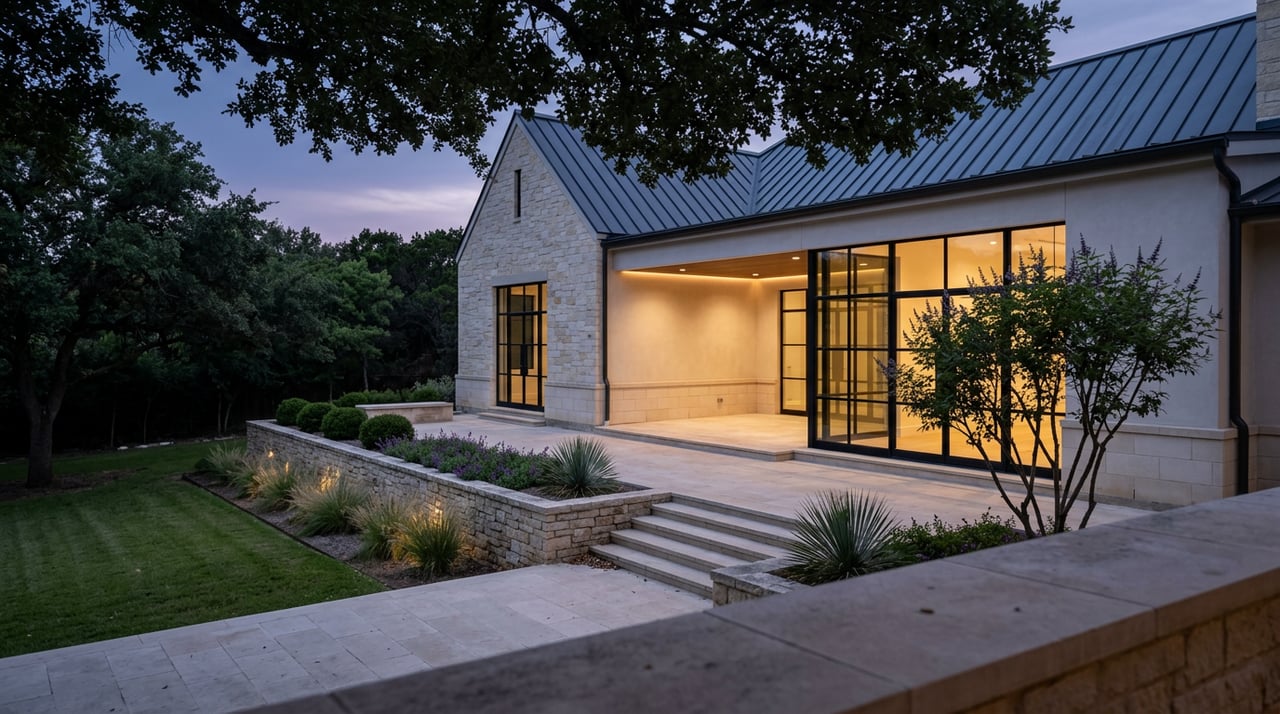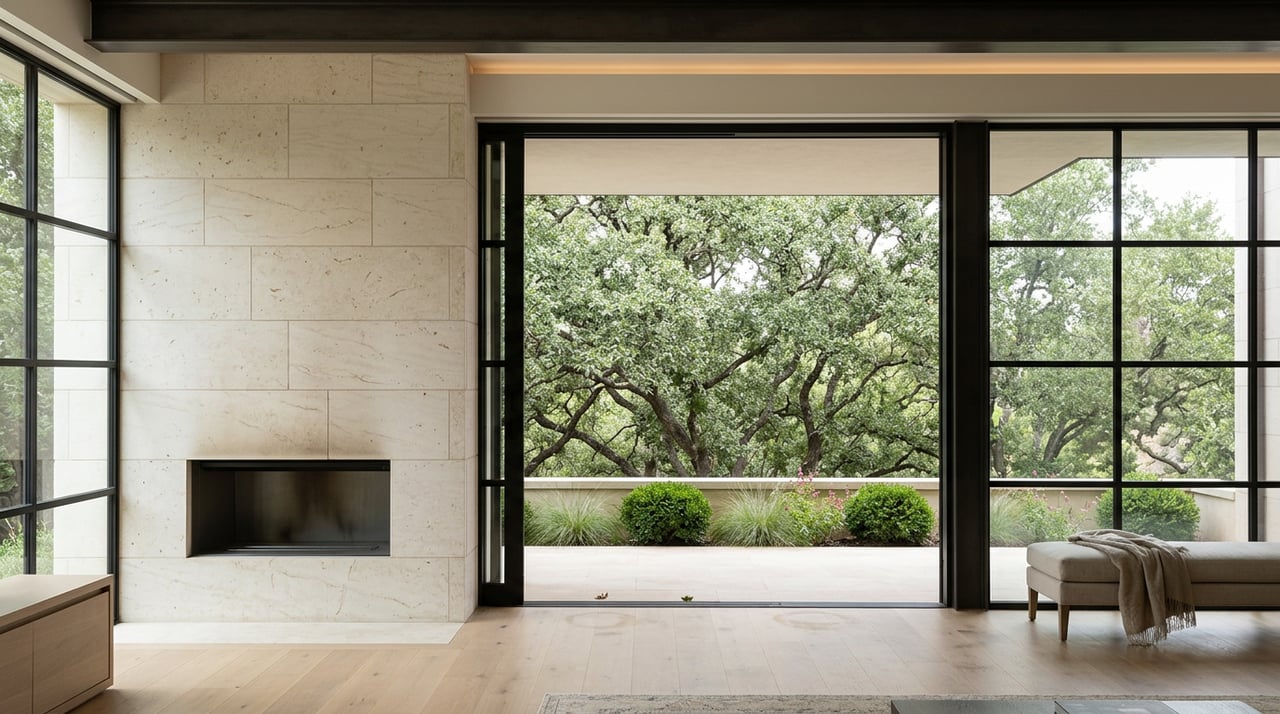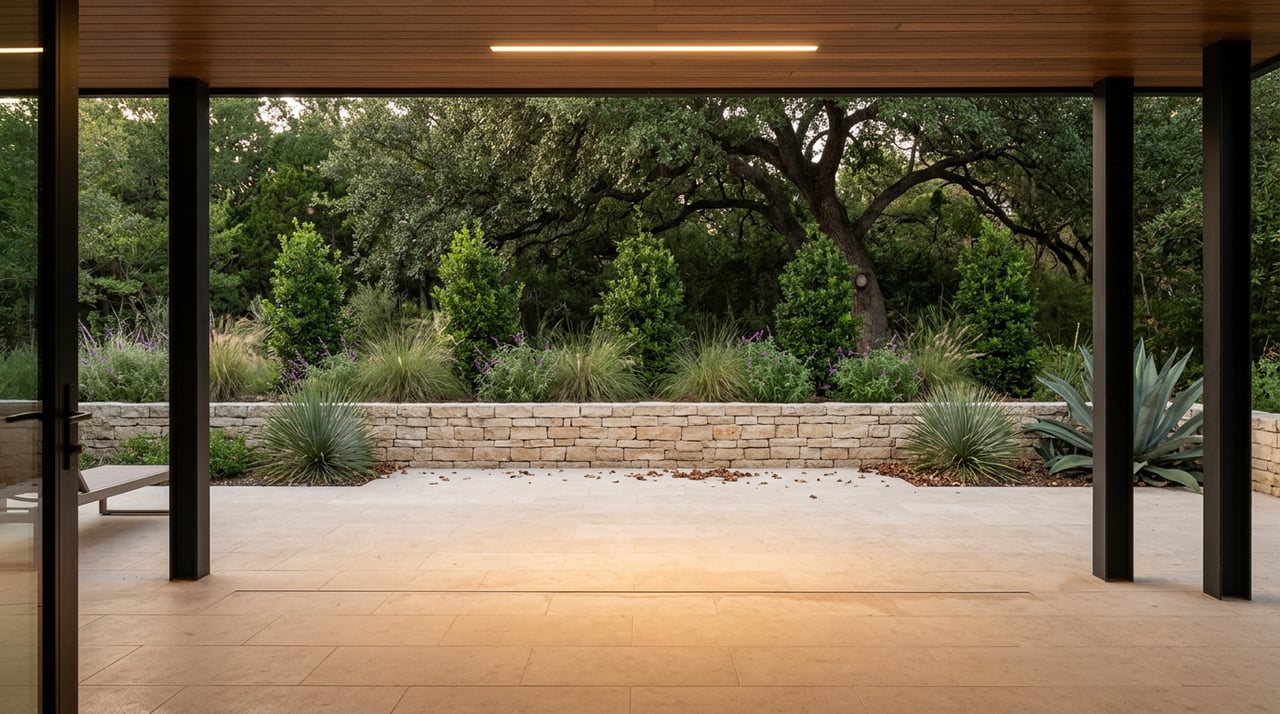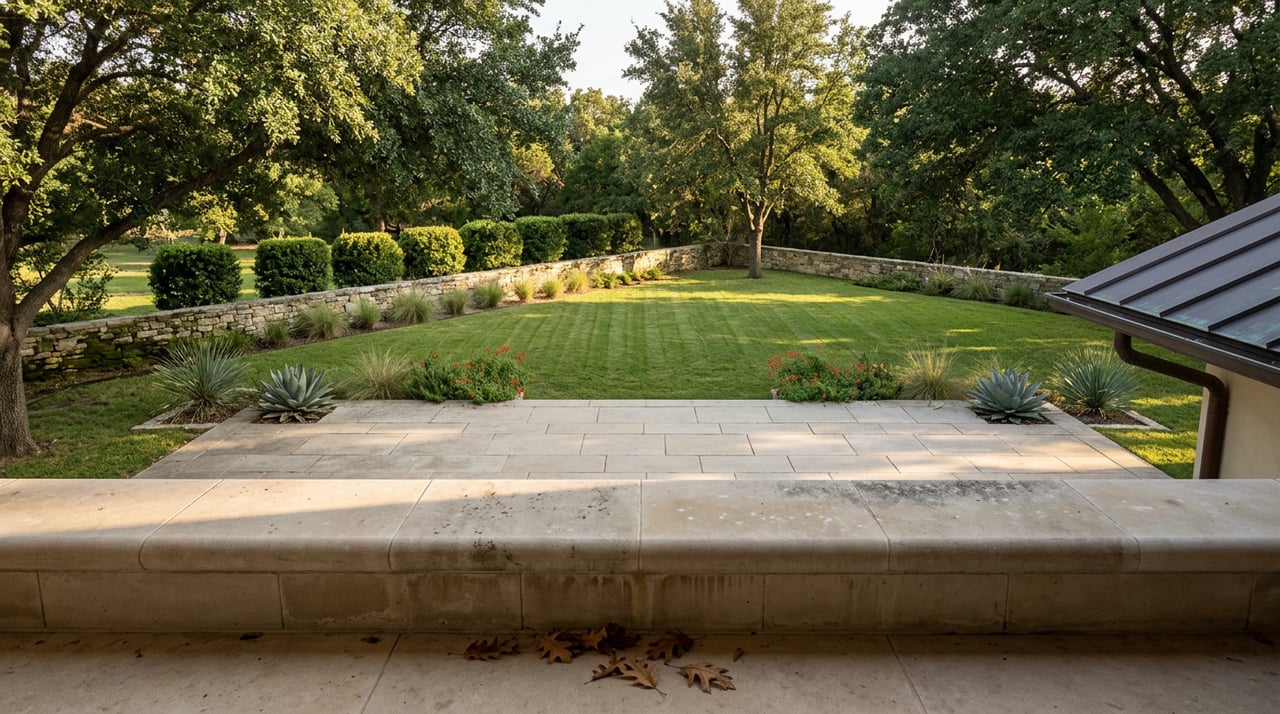
Is your Belvedere estate telling the right story the moment buyers arrive? In this market, presentation shapes perception, and perception shapes value. You want the home to feel effortless, luxurious, and tailored to Hill Country living from the first photo to the final showing. In this guide, you’ll get a room-by-room plan, outdoor strategies for our Texas climate, a realistic timeline and budget pointers, plus tips to keep your listing show-ready. Let’s dive in.
Why staging in Belvedere is different
Belvedere buyers often prioritize indoor-outdoor flow, privacy, energy-efficient systems, and high-end finishes. Your staging should make these priorities obvious at a glance. Large rooms need scaled furniture and purposeful zones so spaces feel grand, not empty. Outdoor living is year-round here, so patios and pool decks should read as true extensions of your great room.
Hot summers and bright light also matter. Use window treatments and furniture placement to manage heat and glare while keeping interiors bright. If your property has views or a private setting, orient furniture and sightlines to frame those assets.
Finally, confirm HOA or neighborhood rules before you add exterior items or signage. The right plan avoids surprises when vendors arrive and keeps your timeline on track.
Build your staging plan
Start with the market. Check current inventory and comparable sales so your staging matches what buyers expect at your price tier. Luxury buyers respond to quality, so under-staging can hold you back even if the home is well located.
Map your budget to the home’s value and the competition. Industry groups report staged homes often sell faster and for a premium when the presentation aligns with buyer priorities. For estate-level homes, allocate more to ensure scale-appropriate pieces and elevated finishes.
Create a timeline with buffers. Many sellers spend 2 to 6 weeks on paint touch-ups, repairs, landscaping refresh, and deep cleaning before furniture arrives. Aim to complete staging 3 to 7 days before photography so you can fine-tune every room.
Room-by-room blueprint
Entry and foyer
- Clear the path and simplify. A clean console, one statement mirror or art piece, and updated bulbs set the tone.
- If a view is visible, frame it. If not, make a focal point with lighting or art sized to the ceiling height.
- Keep floors and railings spotless. First impressions carry through the rest of the tour.
Great room and living areas
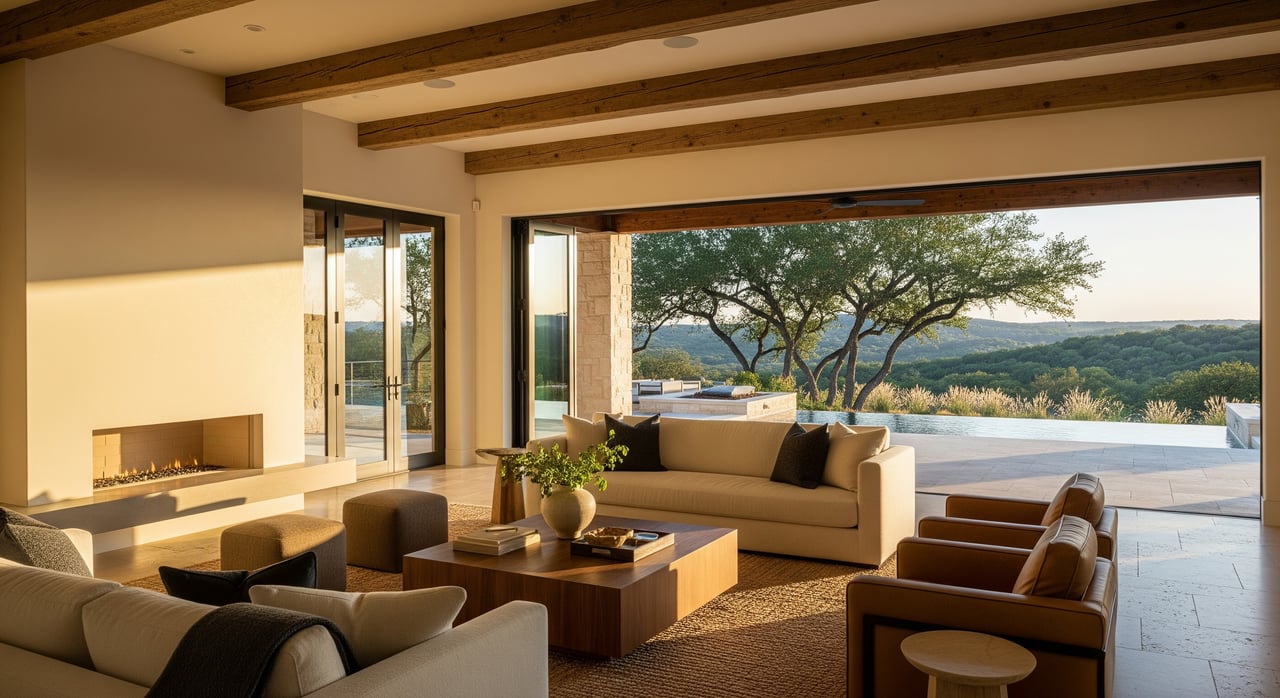
- Anchor a defined conversation area with a rug large enough to connect seating. Small pieces look lost in large rooms.
- Layer lighting: overhead, floor, and table lamps at matching color temperatures.
- If the space opens to a patio or pool, stage both sides so the flow reads clearly in photos and in person.
Kitchen and dining
- Treat the kitchen like a showcase. Clear counters except for a few curated items like a wood board, a cookbook, and a fresh bowl of fruit.
- Set the dining table simply for entertaining. Use layered linens, uniform place settings, and a single centerpiece.
- If you have a butler’s pantry or catering station, stage it to demonstrate function and storage.
Primary suite and baths
- Create a retreat. Use layered, neutral bedding, balanced bedside lamps, and minimal accessories.
- Bathrooms must be spotless. Clear counters, fold new towels, replace worn mats, and polish fixtures and mirrors.
- Refresh grout and caulk, and ensure showers and tubs are mildew-free. Small fixes elevate the entire space.
Secondary bedrooms and flex rooms
- Show one high-value use per space. Guest room, nursery, office, or gym are common choices.
- Avoid leaving a room undefined. A clear purpose photographs better and helps buyers imagine daily life.
Home office or study
- Stage for real work. A substantial desk, ergonomic chair, task lighting, and simple shelving signal credibility.
- Keep cords tidy and sightlines calm for video calls and virtual tours.
Media, wine, gym, and specialty rooms
- Keep it authentic and uncluttered. Feature the equipment or function without over-decorating.
- If acoustics or climate control are selling points, ensure they are visible or easy to demonstrate.
Outdoor living that sells
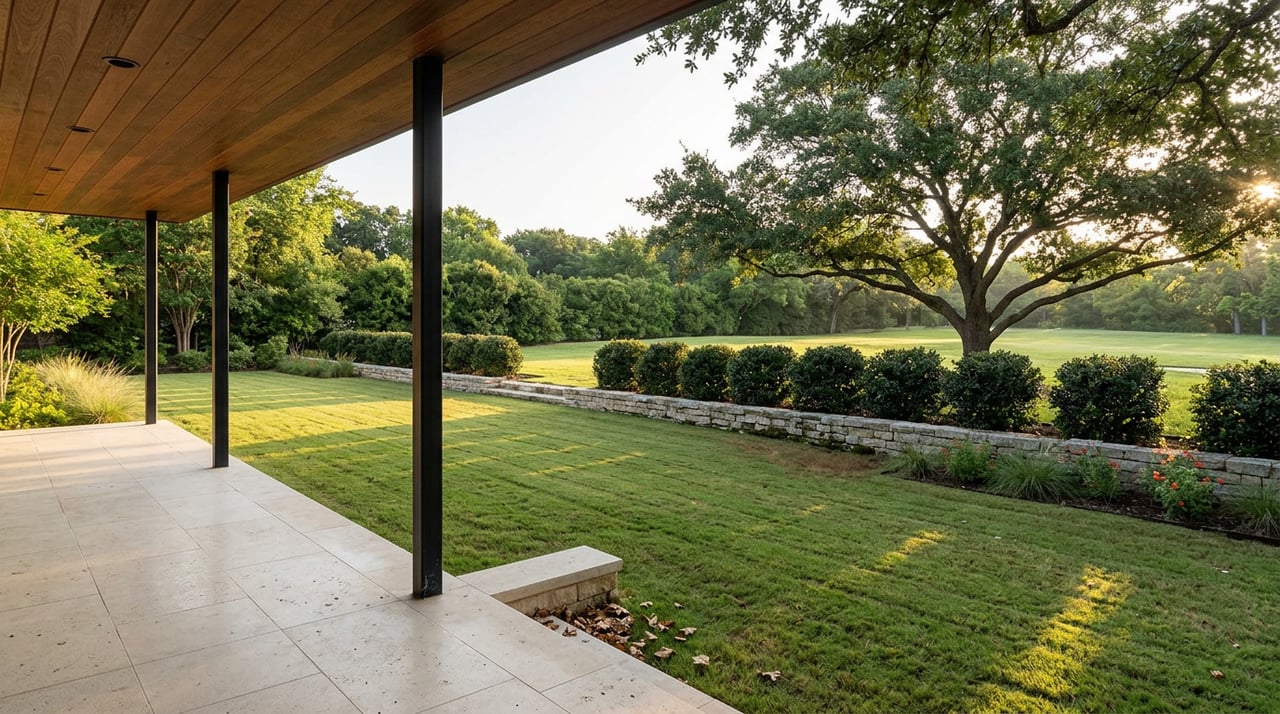
Outdoor rooms carry real weight in Belvedere. Stage a dining zone, a lounge area, and, where relevant, a poolside setup with fade-resistant cushions, a shade umbrella or pergola, and outdoor rugs.
Refresh the landscaping. Trim, weed, and remove dead plants. Add potted, drought-tolerant greenery suited to Central Texas, and refresh mulch for a clean, finished look.
Power wash hardscapes and check pathway lighting. If your lot offers privacy or a view, orient furniture to showcase it in photos and at sunset showings.
Curb appeal and arrival
Buyers decide how they feel about a property in seconds. Repaint the front door if needed, update house numbers and entry lighting, and ensure the driveway is clean. Even in drier months, fresh mulch and crisp edges make the landscape read as well maintained.
Keep visible mechanical elements tidy. Clean vents and utility closets, and present any pool or irrigation manuals neatly during tours.
Systems, finishes, and documentation
Luxury buyers notice quality and upkeep. Quietly highlight high-end systems and finishes without clutter. Where appropriate, make service records available for HVAC, pool equipment, irrigation, and smart-home components. In estate price points, documented maintenance builds confidence.
Security features can be a positive when presented discreetly. Smart locks, cameras, or gates should feel like thoughtful conveniences, not barriers.
Photography and virtual presentation
Hire an experienced luxury property photographer. Schedule twilight exterior shots, consider aerial images if they add value, and plan to capture primary rooms plus detail shots that show textures, views, and craftsmanship.
Complete staging before photography so every frame is dialed in. Include a floor plan and a virtual or 3D tour, which many estate-level buyers now expect. These tools help remote and international buyers evaluate your property with confidence.
If you consider virtual staging, use it sparingly. At the luxury level, physical staging typically performs better because buyers expect quality they can experience on site. Always disclose virtual staging in your listing.
Showings and upkeep
Keep staged spaces consistent between showings. Store daily items out of sight, and align pillows, linens, and outdoor cushions before each tour. If you are living in the home during the listing, remove personal photos and collections and limit the number of items on display.
In some cases, you can keep certain rooms closed to preserve staging. If you do, disclose closed rooms to buyers and agents so expectations stay clear.
Budget and contracts
Staging costs vary by square footage, inventory needs, and the stager’s model. Light or partial staging for select rooms can run from a few hundred to a few thousand dollars, while full staging for large or luxury homes may require several thousand dollars up front plus monthly rental for furniture and accessories. Also budget for cleaning, paint touch-ups, minor repairs, landscaping refresh, window washing, and professional photography.
Protect yourself with a written staging agreement. Confirm inventory lists, delivery and pickup dates, liability terms, and how any damage will be handled. Verify the stager’s insurance before installation.
A realistic timeline
- Weeks 1–2: Pre-staging prep. Schedule touch-up painting, minor repairs, grout refresh, and deep cleaning. Confirm HOA guidelines for signage and exterior items.
- Weeks 2–4: Landscaping refresh and window washing. Finalize your staging plan and vendor dates.
- Week 3–5: Staging install. Allow a buffer for adjustments and accessory swaps so each room reads at the correct scale.
- Week 4–6: Photography and media. Capture images at the best light after staging is complete, and order floor plans and a 3D tour.
Quick-reference checklist
- Pre-staging repairs: paint touch-ups in neutral tones, fix hardware, refresh grout and caulk, replace burnt bulbs.
- Declutter and depersonalize: remove family photos, trophies, magnets, and excess furniture.
- Clean and polish: deep clean, carpet clean, and wash windows for crisp photography.
- Furniture and accessories: use scale-appropriate pieces, larger art or mirrors, layered rugs, and quality linens.
- Lighting plan: check color temperature, add lamps, and highlight architectural features.
- Outdoor refresh: power wash hardscapes, trim and mulch, stage dining and lounge zones, and present the pool area clean.
- Media and marketing: hire a luxury photographer, plan twilight and aerial shots if useful, and include a floor plan and 3D tour.
- Legal and HOA: confirm staging, signage, and showing rules before installation.
Move forward with confidence
Done right, staging turns your Belvedere estate into a lifestyle buyers cannot wait to step into. It clarifies scale, amplifies indoor-outdoor living, and elevates your photos and tours so you stand out from competing listings. If you want a tailored plan that fits your property, timeline, and the current market, connect with a local advisor who manages staging, vendors, and premium marketing from end to end.
If you are considering a sale, partner with Jana Birdwell for full-service seller representation that aligns staging with strategy and showcases your home to qualified buyers. Request a Private Consultation.
FAQs
How much should I budget to stage a Belvedere estate?
- Spend in proportion to your price tier and competition. Light staging may be a few hundred to a few thousand dollars, while full luxury staging often requires several thousand dollars plus monthly rental.
Do I need to stage every room in a large home?
- Prioritize the entry, great room, kitchen, primary suite, and main outdoor living area. In luxury listings, staging more rooms usually supports your price and buyer expectations.
What if my décor is very personal or bold?
- Depersonalize and simplify. Keep only pieces that enhance perceived quality and scale, and remove collections or unique items that could distract buyers.
Is virtual staging acceptable for high-end properties?
- Use it only when physical staging is impractical, and always disclose it in the listing. Most estate buyers expect the quality and scale of physical staging during showings.
How long should staging stay in place during the listing?
- Keep staging through photography and the active marketing period. Many sellers maintain staging until an offer is accepted or until contract terms require removal.